
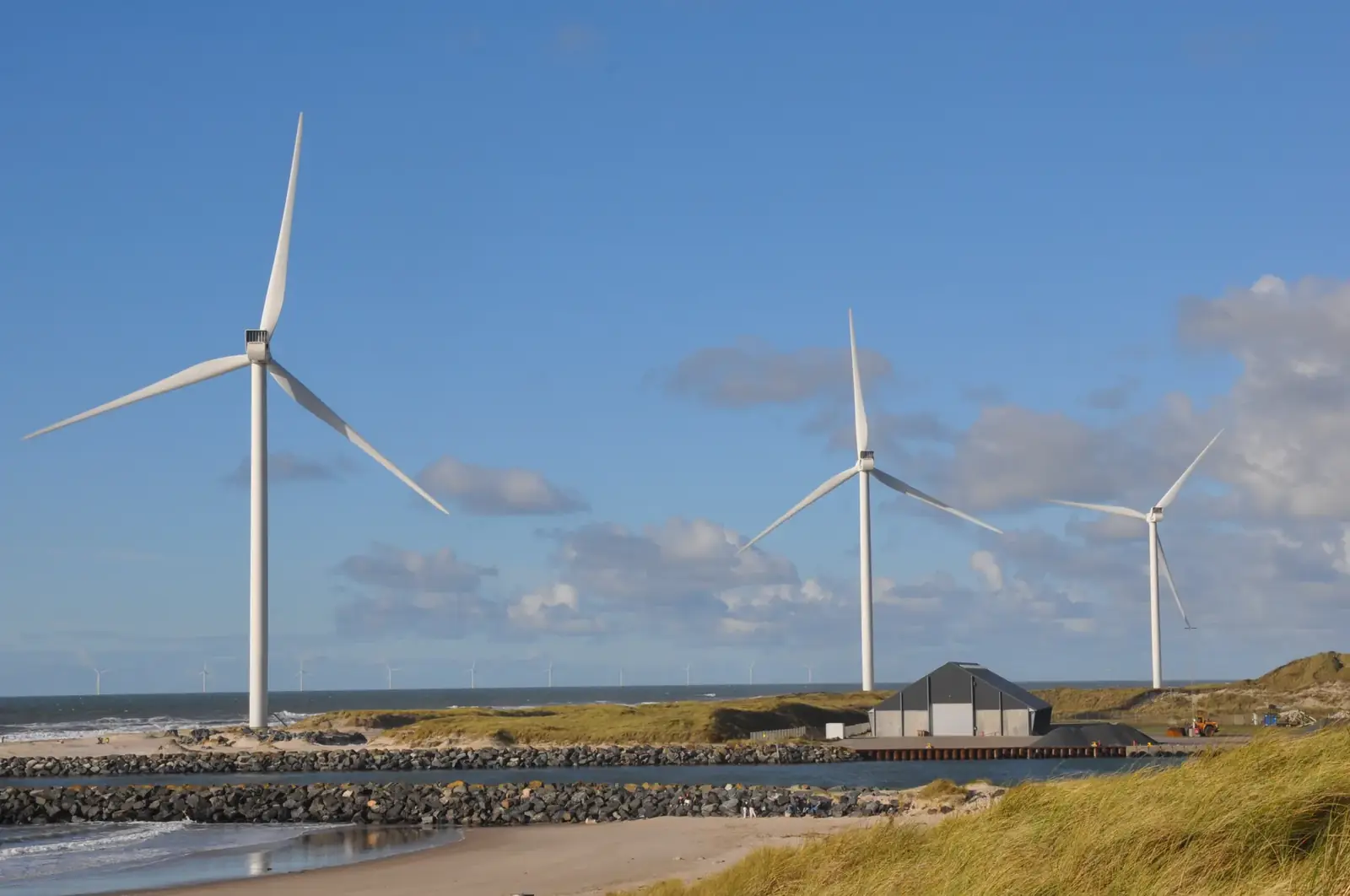
In July 2023, Swedish utility Vattenfall said it would stop developing Norfolk Boreas, a planned 1.4 GW wind farm off the Norfolk coast, in its current form. Announcing its half-year results on 20 July, the company said it would not take an investment decision on the project. It pointed to higher inflation, rising capital costs and strain on offshore wind supply chains, and said costs across the industry had risen by as much as 40%. Vattenfall booked an impairment of about SEK 5.5bn and said it would review the best way forward for its wider Norfolk Zone.
The decision mattered because Norfolk Boreas was not a speculative scheme. It had held a Development Consent Order since December 2021 and had won a Contract for Difference (CfD) in the government’s fourth allocation round in 2022, at a strike price of around £37 per megawatt hour in 2012 money. That price was set before the post-2021 surge in costs, and the project could no longer be built profitably at that level. The Norfolk Zone also included two sister projects, Norfolk Vanguard East and West, each of a similar size.
The episode became an early sign of a wider problem: CfD prices agreed in earlier rounds no longer reflected what it cost to build large offshore wind farms. Seven weeks later, the fifth allocation round (AR5) closed with no offshore wind bids at all.
What happened next
December 2023: RWE agreed to buy all three Norfolk projects from Vattenfall for an enterprise value of £963m. RWE said it would restart work on Norfolk Boreas.
March 2024: The sale completed. According to RWE, the projects came with seabed rights, grid connections and development consents already in place, and most of Vattenfall’s Norfolk team moved across.
September 2024: The sixth allocation round (AR6) brought offshore wind back, with close to 5 GW of fixed-bottom offshore wind awarded contracts. The Norfolk projects were not among the winners.
January 2026: In the seventh round (AR7), Norfolk Vanguard East and Norfolk Vanguard West won 20-year CfDs at £91.20/MWh in 2024 prices, about 3 GW between them. RWE also agreed that investment firm KKR would take a 50% stake in both Vanguard projects. The companies said they aimed to reach a final investment decision in summer 2026, with first operation planned for 2029 and 2030. Norfolk Boreas was not on the AR7 list of successful projects.
March 2026: RWE signed a turbine supply deal with Vestas for Vanguard East.
September 2026: Norfolk Boreas still holds its consent, and the government signed off one of its planning conditions, on air defence radar mitigation. That is a routine step. As of October 2026, the project does not have a new CfD, and no date has been announced for an investment decision or construction.
Why it matters for UK energy
Norfolk Boreas showed that a consented, contracted wind farm can still stall if its contract price falls behind real costs. Contract design and auction budgets have since changed, and the neighbouring Vanguard projects have moved forward. Even so, the Climate Change Committee said in June 2026 that offshore wind is not yet being built fast enough to reach the government’s 2030 goal. For background on how offshore projects are planned, see our guide to choosing a location for wind turbines.