
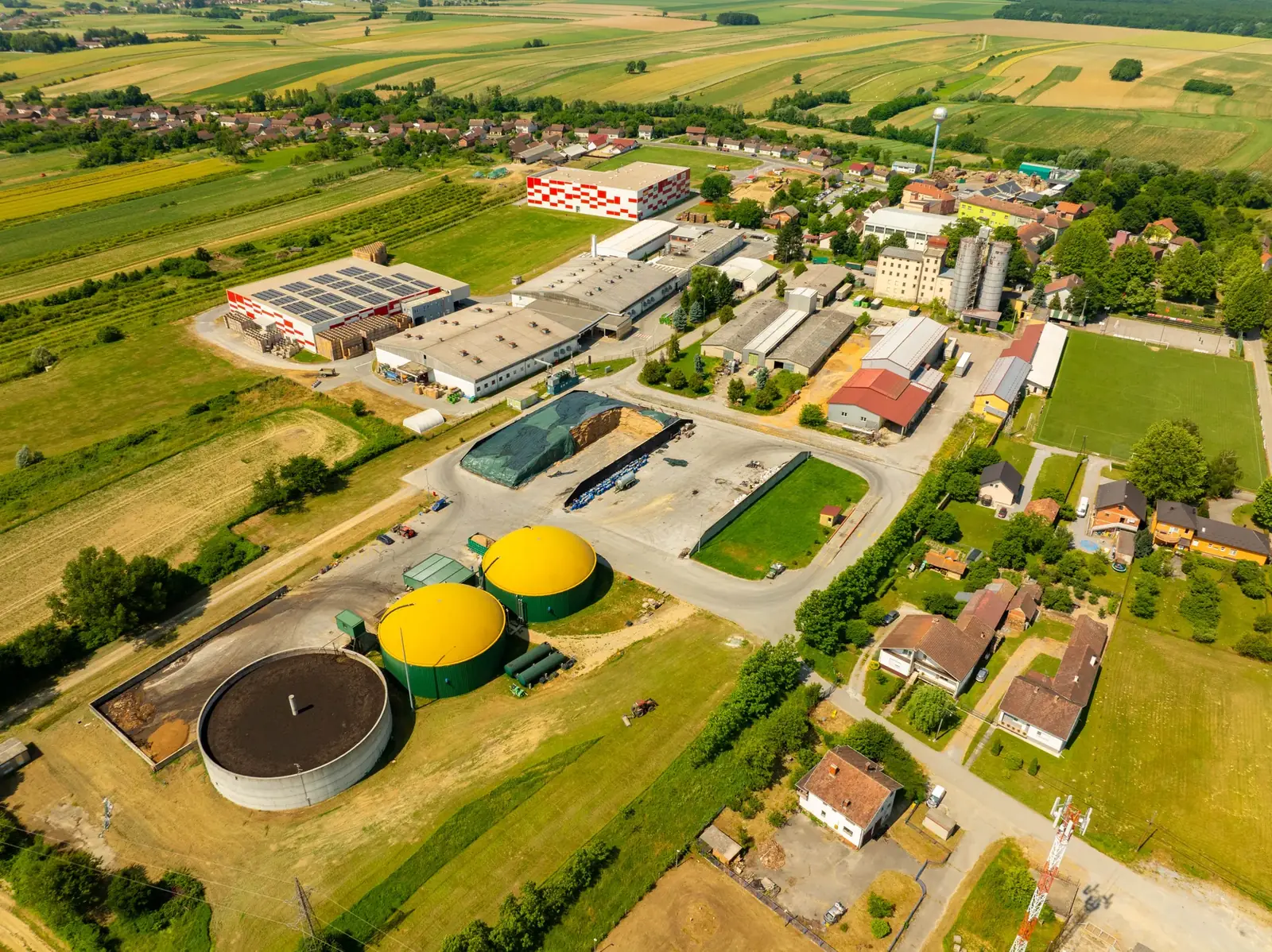
Developers of biomethane plants now have until 31 March 2030 to get their projects running under the Green Gas Support Scheme (GGSS). The previous deadline was 31 March 2028. The Department for Energy Security and Net Zero said the regulations making the change came into force on 16 October 2026.
The extension gives eligible applicants two more years to commission their plants, start injecting gas into the grid and submit their final (stage 3) application for registration. The government says the aim is to increase deployment and the carbon savings the scheme delivers.
What the scheme does
The GGSS pays tariffs to plants that produce biomethane through anaerobic digestion and inject it into the gas grid. Anaerobic digestion breaks down organic material such as food waste, manure or crops to produce biogas. That gas is then cleaned up to grid quality. The tariffs are meant to cover the cost of building new plants and of running them.
The scheme opened on 30 November 2021 and replaced the non-domestic Renewable Heat Incentive, which closed to new applicants in March 2021. It is funded through the Green Gas Levy, which is charged to all licensed suppliers of fossil fuel gas.
What has and has not changed
Only the commissioning deadline has moved. The other main rules stay the same:
- New applications: the last date for new stage 1 applications is still 31 March 2028.
- Tariff length: the maximum tariff period is still 15 years.
- Hard end date: a plant that commissions after 31 March 2028 does not get a longer tariff. All support ends by 31 March 2043.
So a late plant gets fewer years of support. The government’s own example is a plant that commissions on 31 March 2030, the last possible date, which would receive tariffs for 13 years.
This is the second extension in two years. Regulations in June 2024 moved the scheme’s end date from 30 November 2025 to 31 March 2028. The government said in December 2025 that a further two-year extension was planned.
Budget caps
On the same day, the government updated its GGSS budget management guidance. The update adds budget caps and inflation forecast estimates up to 2034/35. The scheme uses these caps, together with tariff degression and an annual tariff review, to control spending.
What it means
For households the change is indirect. Biomethane goes into the same gas network that supplies homes, and the scheme is paid for through a levy on gas suppliers. For the industry, the extension mainly helps projects that have struggled to get built in time, but the fixed 2043 end date means these late plants get fewer years of tariff payments.