
Policy & markets
Government policy, investment, jobs and the economics of the energy transition in the UK and beyond.
7 explainers11 news stories
Explainers

Warm Home Discount 2026/27: who gets £150 and how to claim
The Warm Home Discount is a one-off £150 discount off your electricity bill for winter 2026/27. In England and Wales, households where you or your partner got a…
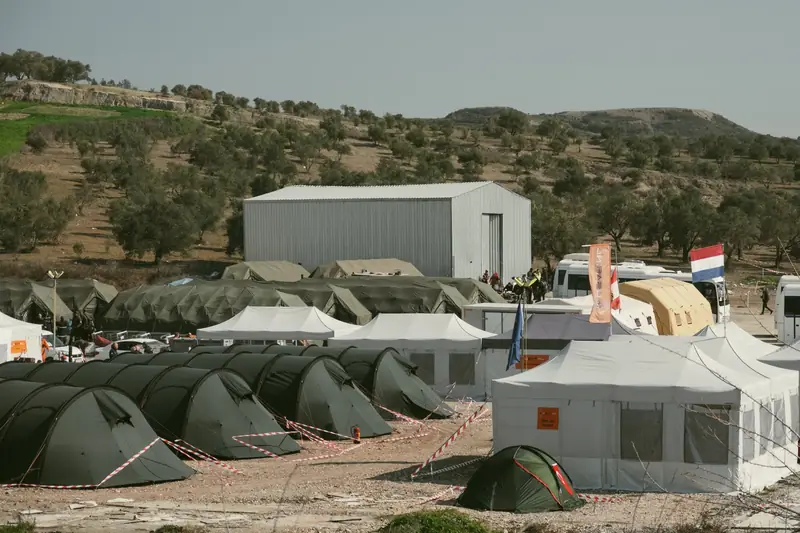
Renewable energy in disaster relief: solar, batteries and microgrids in emergencies
When a hurricane brings down power lines or attacks cripple a national grid, renewable energy in disaster relief means one thing in practice: solar panels and…

Green energy jobs in the UK: where the work is and how to get into it
How many green jobs the UK has depends on who is counting. The Office for National Statistics (ONS) estimates 304,000 full-time equivalent (FTE) jobs directly…
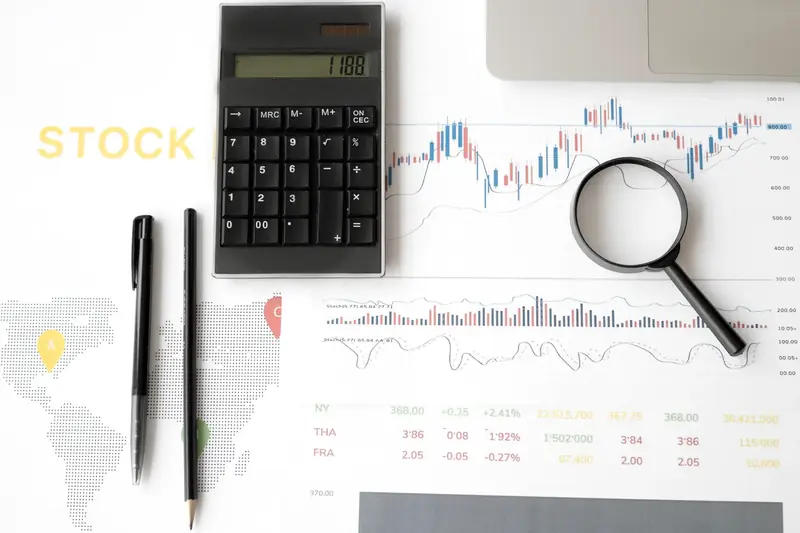
Green energy investment explained: where the money goes and the risks
This article is general information, not financial advice. The value of investments can fall as well as rise. Consider speaking to an FCA-authorised financial…

Renewable energy for remote locations: islands, villages and polar stations
Off grid renewable energy for a remote location almost never means a single technology. The systems that work combine local generation (usually solar or wind,…

Renewable energy in cities: rooftops, heat networks and urban planning
Renewable energy in cities comes down to three things: generating electricity on rooftops and car parks, supplying heat through shared networks rather than…
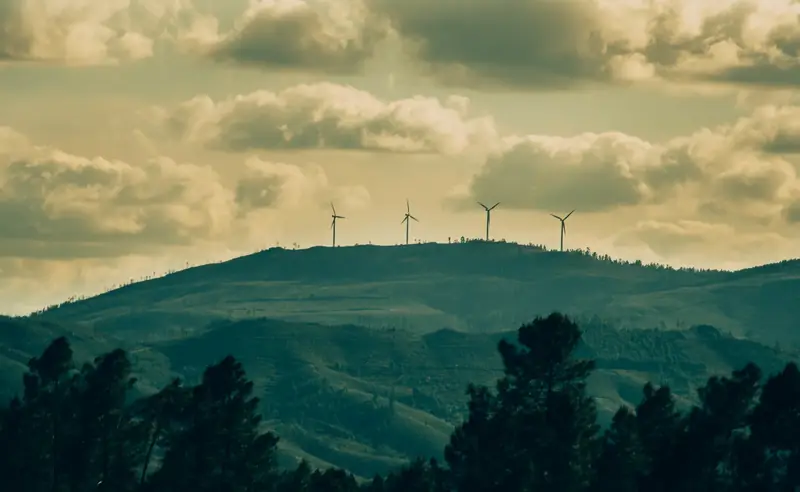
Why switch to renewable energy? The benefits and the trade-offs
Renewables generated a record 52.1% of UK electricity in 2025, yet the transition is far from complete. The benefits of renewable energy show up clearly in the…
Key terms
Glossary →- Capacity Market
- A scheme that pays power stations, batteries, interconnectors and flexible demand to be available when Great Britain's electricity system is under stress.
- Carbon border adjustment mechanism (CBAM)
- A charge on the carbon emitted in making certain imported goods, so they face a carbon cost similar to products made under the UK's own carbon market.
- Carbon budget
- A legally binding cap on the UK's total greenhouse gas emissions over a five-year period, set under the Climate Change Act 2008.
- Clean Power 2030
- The UK government's mission for Great Britain's electricity to come overwhelmingly from clean sources by 2030, set out in an action plan published in December 2024.
- Climate Change Levy (CCL)
- A UK tax on the electricity, gas and other fuels that businesses and the public sector use, added to their energy bills by the supplier.
- Contracts for Difference (CfD)
- The UK government's main scheme for new low-carbon power: generators get a fixed strike price per MWh, topped up or paid back against the market price.
- Energy price cap
- The maximum unit rates and daily standing charges that suppliers in Great Britain can charge households on default tariffs, set by Ofgem every three months.
- Energy security
- Having reliable access to the energy a country needs, at prices households and businesses can afford, and being able to withstand supply shocks.
- Feed-in Tariff (FIT)
- A former Great Britain scheme that paid small-scale generators for electricity they produced and exported. It closed to new applicants in 2019, but existing payments continue.
- Great British Energy
- A publicly owned, operationally independent clean energy company set up by the UK government and headquartered in Aberdeen.
- Levelised cost of electricity (LCOE)
- The average cost of each megawatt-hour a power plant produces over its whole life, including building, running, fuel and decommissioning.
- Levelised cost of heat (LCOH)
- The average lifetime cost of producing one unit of heat from a heating system, usually given in pounds per megawatt-hour of heat.
- Net zero
- The point at which a country's greenhouse gas emissions are balanced by the amount removed from the atmosphere. UK law requires net zero by 2050.
- Ofgem
- The independent regulator for the gas and electricity markets in Great Britain, responsible for protecting consumers, setting the price cap and regulating network companies.
- Power purchase agreement (PPA)
- A long-term contract in which a buyer, often a large business, agrees to buy electricity from a specific generator at an agreed price.
- Renewable Energy Guarantees of Origin (REGO)
- A certificate issued by Ofgem for each megawatt-hour of renewable electricity generated in the UK, used by suppliers to show how much of their power is renewable.
- Renewables Obligation (RO)
- The UK's main support scheme for large-scale renewable electricity from 2002 until it closed to new capacity in April 2017. Payments continue until 2037.
- Standing charge
- A fixed daily amount on a gas or electricity bill that you pay regardless of how much energy you use, even on days when you use none.
- Strategic Spatial Energy Plan (SSEP)
- A plan being prepared by NESO for the UK, Scottish and Welsh governments that maps where new electricity and hydrogen generation and storage should go in Great Britain.
- UK Emissions Trading Scheme (UK ETS)
- The UK's carbon market: power stations, heavy industry, aviation and shipping must hold one allowance for every tonne of CO2e they emit, under a shrinking cap.
- Wholesale electricity price
- The price at which generators sell electricity to suppliers before it reaches homes. In Great Britain it is often set by gas power stations.
- Zonal pricing
- A wholesale electricity market split into regional zones, each with its own price. The UK government decided in July 2025 to keep a single national price instead.
Latest policy & markets news
All news →- Government asks who should pay for the gas network as households switch away from gas
- Government has paid £1.05bn to take Renewables Obligation costs off household electricity bills
- Jackdaw gas field gets the go-ahead as the Chancellor sets up a £2bn Energy Wealth Fund
- Energy smart data consultation: government plans legal right to share your energy data
- Energy bills this winter: a 4% cap rise, VAT off electricity, and a forecast 16% jump in January
- Ofgem moves to free small electricity suppliers from the duty to supply every home
- Competition watchdog clears E.ON's takeover of OVO Energy
- Energy suppliers held £2.9bn of customer credit at the end of June, Ofgem data shows
- Renewables supplied a record 55.8% of UK electricity in the second quarter of 2026
- UK backs energy storage, carbon capture and floating wind in October 2024
- Morocco–UK subsea power link brought into the national planning regime