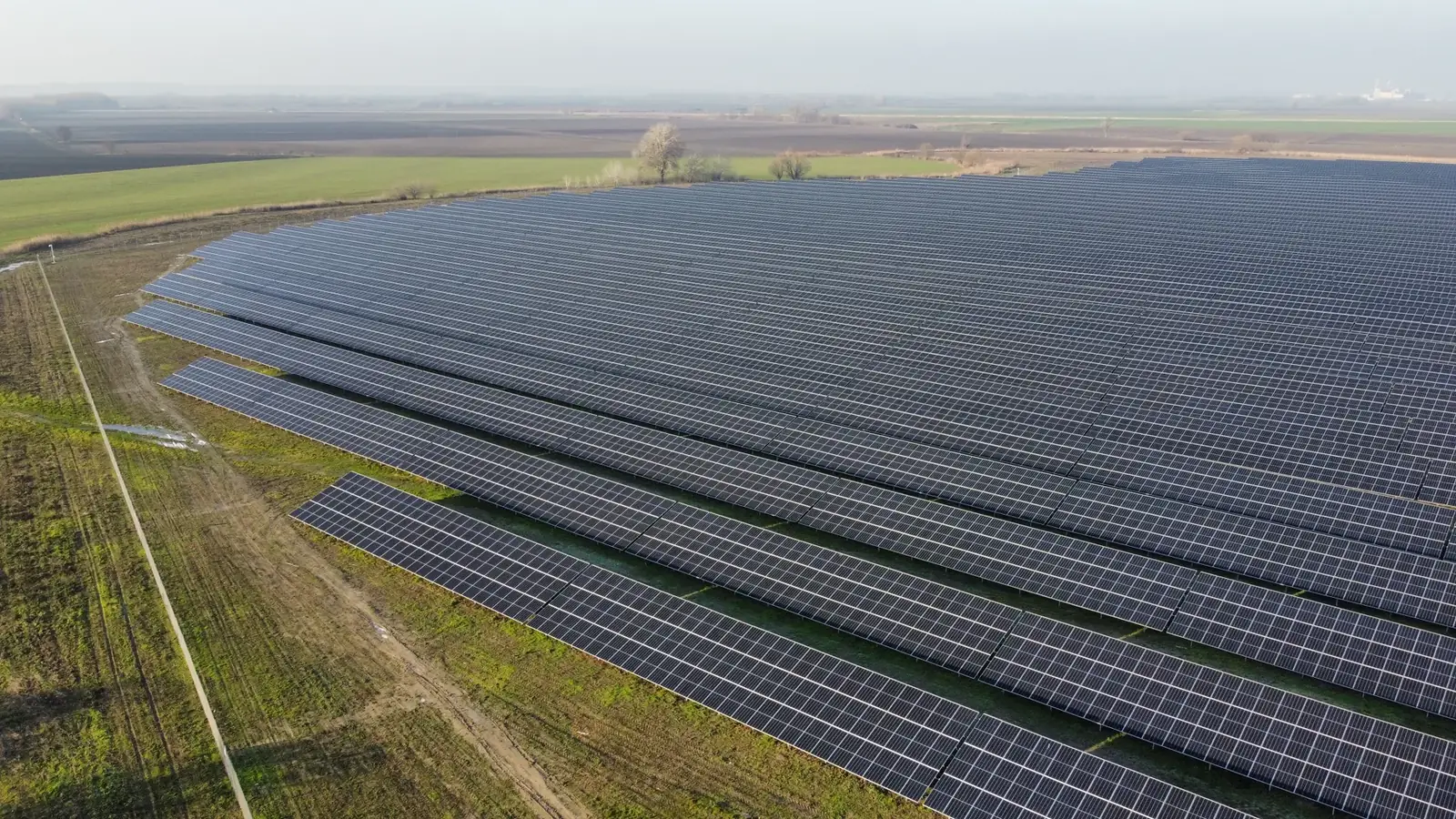
Solar
How solar photovoltaics and solar heat work, what the newest cell technologies change, and what solar means for UK homes, farms and the grid.
8 explainers1 news stories
Solar energy: how solar power works and what it means for the UK
An evidence-led guide to solar energy in the UK: how solar panels work, current capacity, costs, VAT rules and the 2030 roadmap.
Read the guide
Explainers
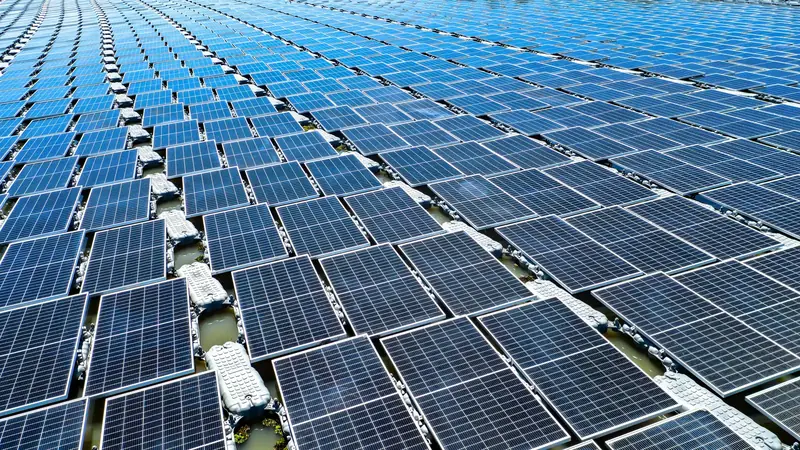
Floating solar farms: how they work and where they are built
Floating solar farms are ordinary solar panels mounted on floats on lakes, reservoirs and flooded quarries. The approach, sometimes called "floatovoltaics",…
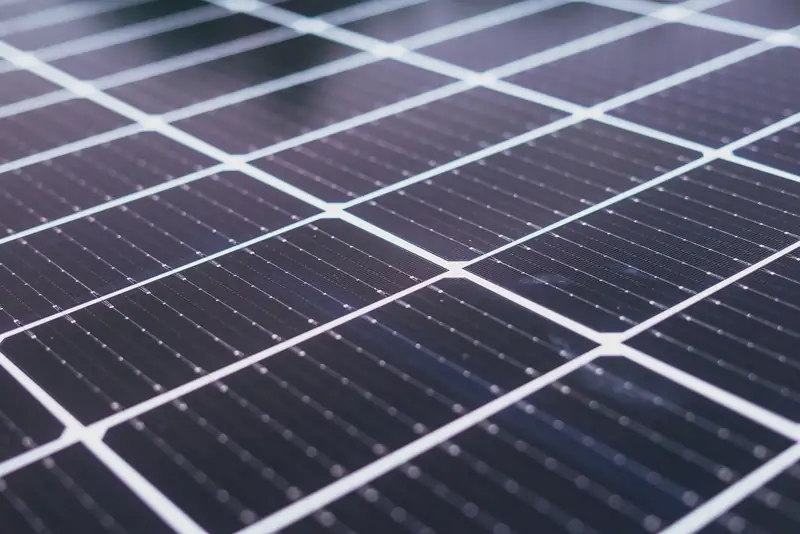
Perovskite solar cells: record efficiencies and the road to market
Perovskite solar cells have improved quickly in the lab, from a certified 14.1% in 2013 to 28.0% in 2026, and they are now starting to leave it. Oxford PV made…

Solar power for agriculture: farm solar, agrivoltaics and solar pumps
Solar power for agriculture is already common on English farms. According to Defra, 33% of farm businesses in England generated some renewable energy in…
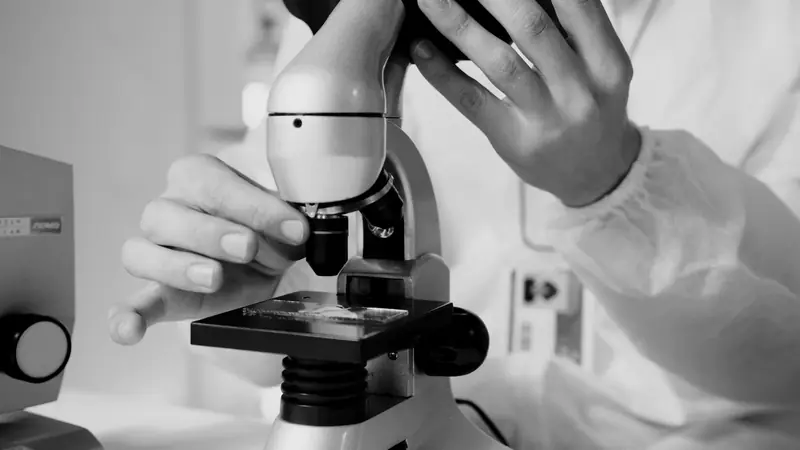
Quantum dot solar cells: how they work and how close they are
Quantum dot solar cells are still a laboratory technology. As of 2026 there is no quantum dot panel on sale for your roof. The best certified quantum dot cell…
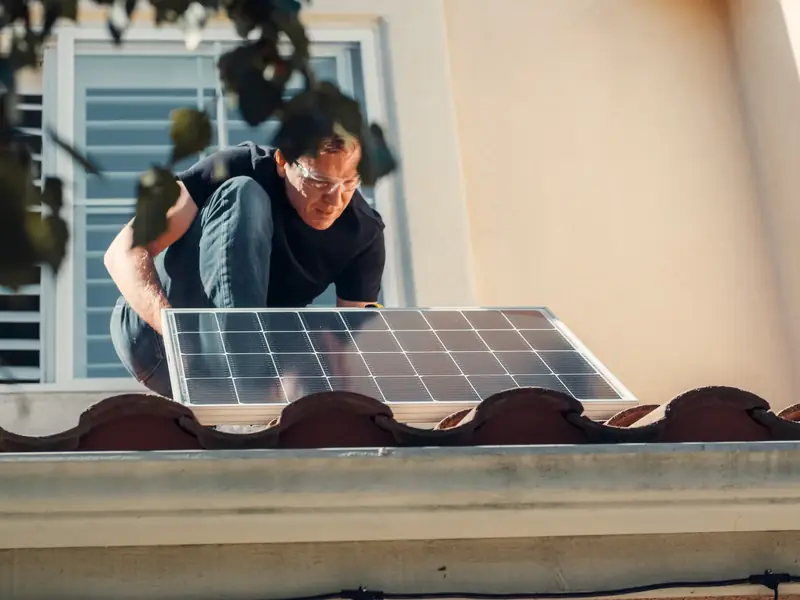
Solar panel grants and incentives in the UK
There is no single UK-wide grant for solar panels that anyone can claim. The Energy Saving Trust (EST) says there are no dedicated solar panel grants from the…
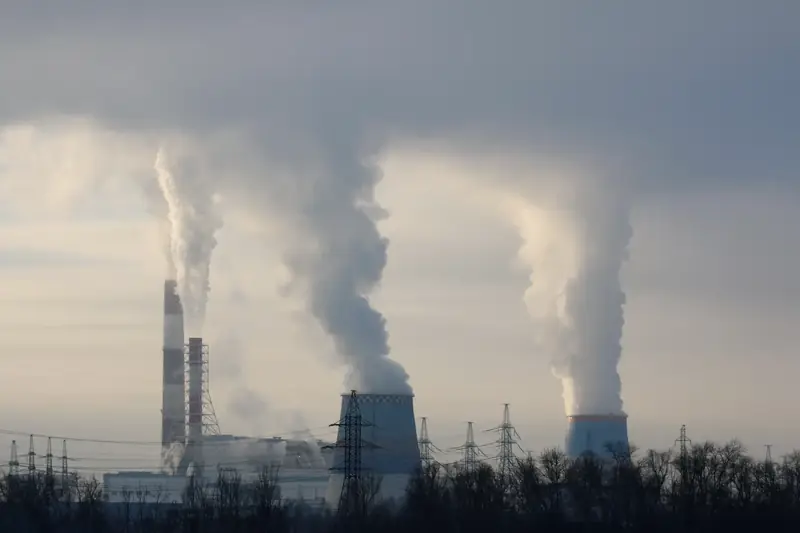
Solar energy vs fossil fuels: cost, emissions and reliability compared
No, solar energy is not a fossil fuel. Fossil fuels (coal, oil and natural gas) are the remains of ancient organisms, burned to release stored carbon. Solar…
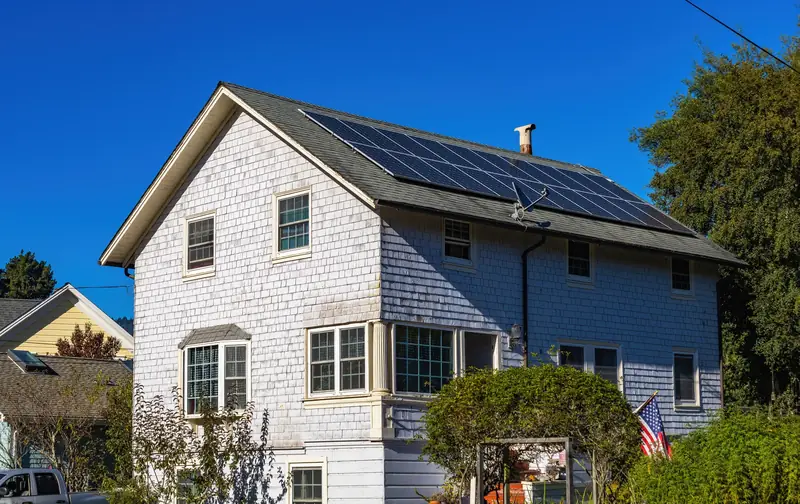
Solar panels for your home in the UK: costs, savings and how they work
Solar panels for home use are now a common sight on British roofs. Government figures (DESNZ) count 1,761,110 domestic installations at the end of August 2026,…
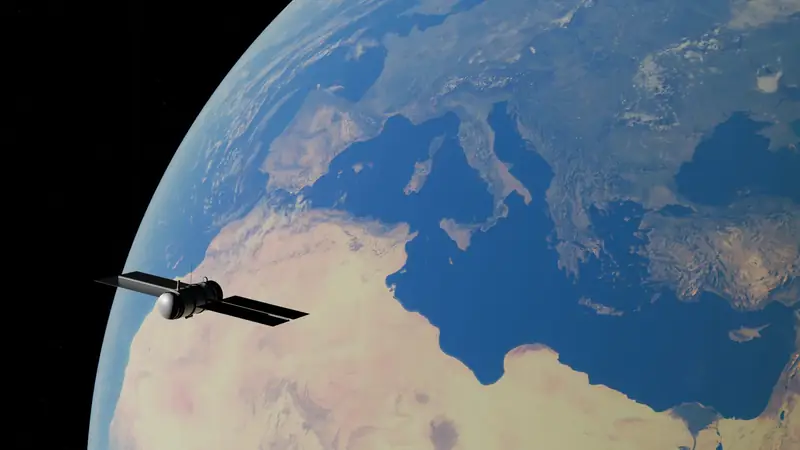
Solar power in space: from the ISS to beaming energy back to Earth
Solar power runs most spacecraft near Earth, from satellites to the International Space Station. Above the atmosphere there is no weather, sunlight is stronger…
Key terms
Glossary →- Bifacial solar panel
- A solar panel that generates electricity from light hitting both its front and its back, picking up sunlight reflected from the ground or surfaces behind it.
- Kilowatt-peak (kWp)
- The rated power of a solar panel or array under standard laboratory test conditions, used to compare system sizes rather than to predict real output.
- Photovoltaic (PV) cell
- A thin semiconductor device, usually made of silicon, that turns sunlight directly into direct-current electricity; it is the basic building block of every solar panel.
- Smart Export Guarantee (SEG)
- A Great Britain scheme that requires larger electricity suppliers to pay small-scale generators, such as homes with solar panels, for electricity they export to the grid.
- Solar inverter
- The device that converts the direct current (DC) produced by solar panels into the alternating current (AC) used in homes and on the grid.
Calculators
All tools →Solar panel calculator
How much a home solar system would generate in your postcode area, what it saves at today’s prices, export income and payback.
Off-grid solar calculator
Size panels and a battery to run a UK home without the grid, month by month, and see the winter gap a generator or wood stove would have to fill.
kW to kWh converter
Convert power (kW) and time into energy (kWh), or kWh back to kW, with worked examples.