Storage & grid
Batteries, pumped hydro, gravity and sand storage, and the smart grids and microgrids that balance a renewable system.
5 explainers6 news stories
Explainers
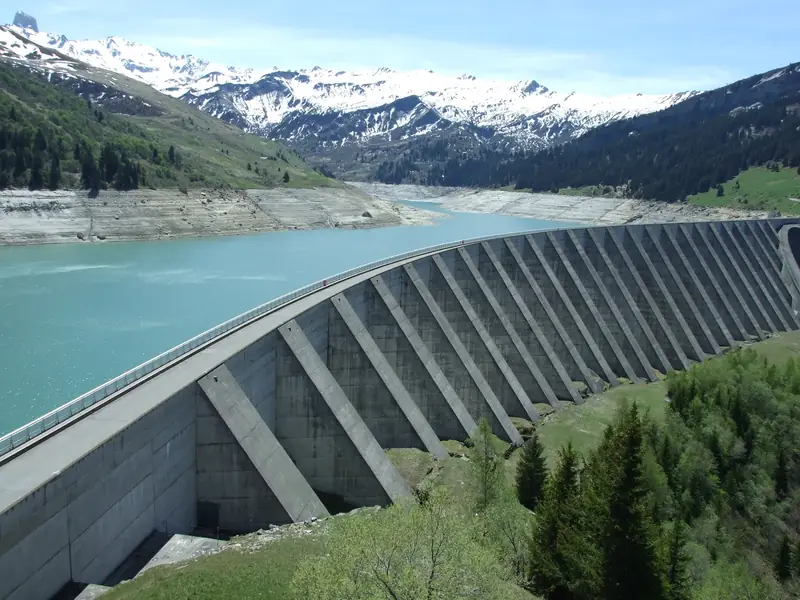
Pumped storage hydropower: the UK’s biggest battery
Pumped storage hydropower is a large-scale energy storage system that functions like a giant battery. It stores electricity by pumping water uphill to a…
Gravity energy storage: lifting weights to store power
Gravity energy storage is not a source of power. It is a battery that uses weight to store electricity. When you have extra energy from sources like wind or…
Smart grids and microgrids: how a flexible electricity system works
A smart grid uses digital communications, sensors, smart meters and automated control so that power and data flow in both directions, letting the network manage…
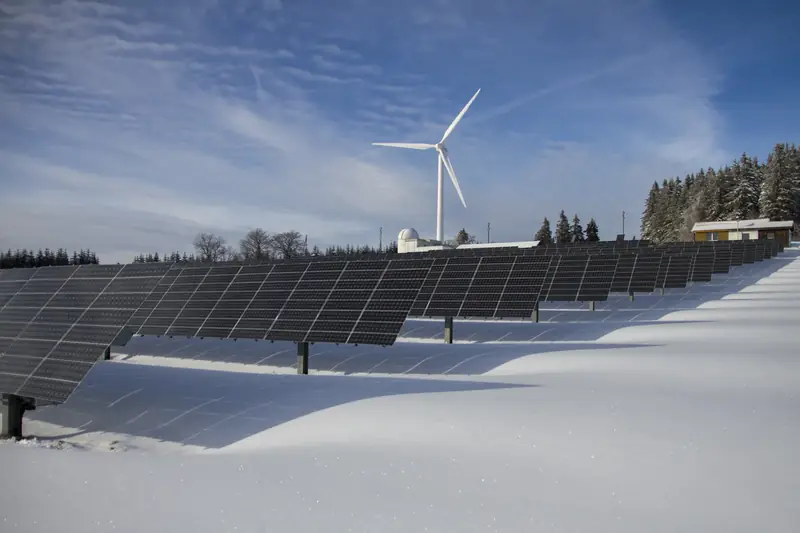
Hybrid renewable energy systems: combining wind, solar and storage
Hybrid renewable energy systems are sites that combine two or more technologies, typically wind or solar plus a battery, behind a single grid connection. In the…
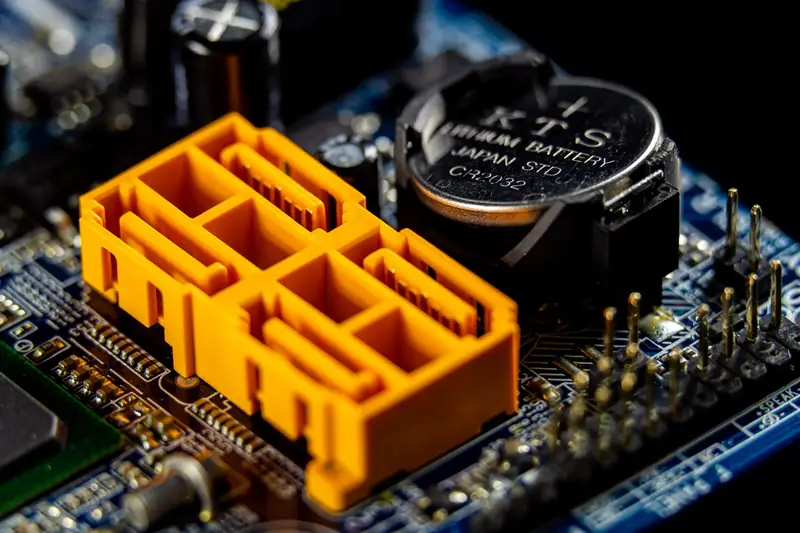
The environmental impact of batteries: mining, carbon and recycling
The environmental impact of batteries is not a single story. It depends on the chemistry, where the materials are mined and refined, and what the battery…
Key terms
Glossary →- Balancing Mechanism
- The real-time market the National Energy System Operator uses to pay generators, batteries and large users to change their output so supply matches demand every second.
- Baseload power
- The minimum level of electricity demand that exists around the clock, and the power stations that run more or less continuously to meet it.
- Battery energy storage system (BESS)
- A bank of rechargeable batteries connected to the grid that stores electricity when it is plentiful and releases it when it is needed.
- Capacity factor
- How much electricity a power plant actually produced over a period, as a share of what it would have produced running flat out the whole time.
- Carbon intensity (of electricity)
- How much carbon dioxide is emitted to produce one unit of electricity, usually given in grams of CO2 per kilowatt-hour (gCO2/kWh).
- Curtailment and constraint payments
- Curtailment is when a power station, usually a wind farm, is told to cut output because the grid cannot carry its power; constraint payments compensate it.
- Demand flexibility
- Changing when electricity is used, rather than how much, so that demand moves to times when power is cheaper, cleaner or easier for the grid to supply.
- Distribution network operator (DNO)
- The company that owns and runs the local electricity network of poles, cables and substations that carries power from the national grid to homes and businesses.
- Gate 2 (grid connections reform)
- The reformed process for connecting projects to Great Britain's grid, giving firm dates only to projects that are ready to build and fit Clean Power 2030.
- Grid connection queue
- The list of generation, storage and demand projects waiting for a connection to Great Britain's electricity network, now being reordered under the Gate 2 reforms.
- Grid inertia
- The stored energy in the spinning machines connected to the grid, which slows down how fast the system frequency changes when supply and demand suddenly diverge.
- Interconnector
- A high-voltage cable that links one country's electricity grid to another's, so power can flow in either direction between them.
- Kilowatt-hour (kWh)
- A unit of energy equal to using 1,000 watts of power for one hour; it is the unit used on UK gas and electricity bills.
- Long-duration energy storage (LDES)
- Storage that can hold electricity and release it for many hours or days, helping cover long periods of low wind and sun. Ofgem's scheme defines it as eight hours or more.
- Megawatt (MW) and gigawatt (GW)
- Units of power: a megawatt is one million watts and a gigawatt is one thousand megawatts, used to rate power stations, wind farms and the grid.
- National Energy System Operator (NESO)
- The publicly owned body that balances Great Britain's electricity system in real time and plans the wider energy system, including gas, for the long term.
- National Grid
- Both the everyday name for Great Britain's high-voltage electricity network and a listed company that owns the part of it in England and Wales.
- Sand battery
- A thermal store that uses surplus electricity to heat sand or crushed rock in an insulated silo, then releases the heat later, usually into a district heating network.
- Transmission network
- The highest-voltage part of the electricity grid, carrying bulk power over long distances from large generators to the local distribution networks.
Latest storage & grid news
All news →- Britain's electricity and gas supplies expected to stay secure this winter, NESO and DESNZ say
- UK proposes up to 14 years in prison for damaging undersea power cables, pipelines and data links
- Ofgem approves £642m for the Bramford to Twinstead grid upgrade, cutting £60.6m from the bid
- Ofgem gives NESO another month to issue Gate 2 grid connection offers
- Ofgem proposes letting developers build their own grid connections
- Sand batteries: storing renewable electricity as heat