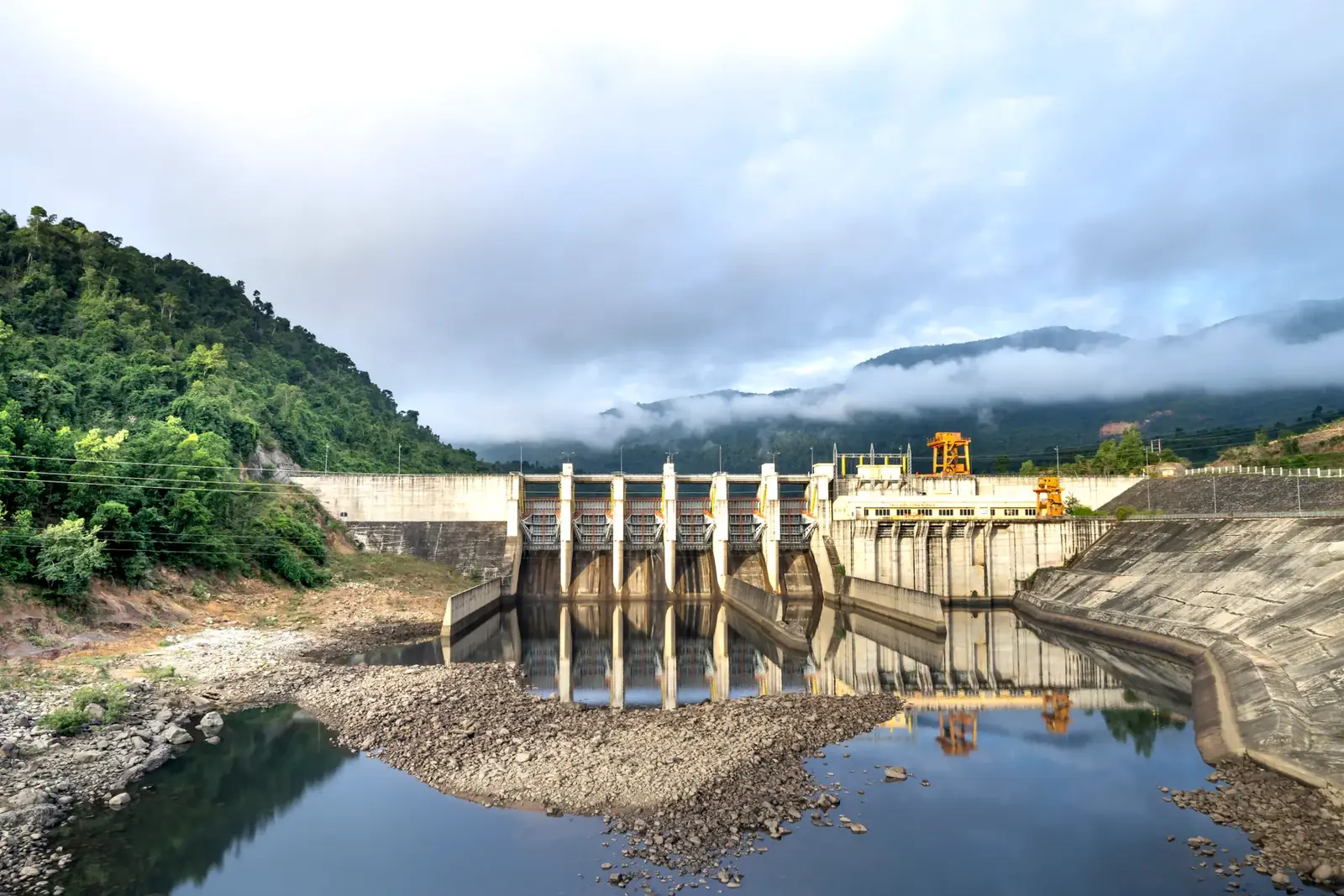
Technology hub
Hydro & marine
Hydropower from large dams to canal schemes, plus the tidal and wave technologies that suit an island nation.
2 explainers
Start here · Pillar guide
Hydropower: how it works and its role in the UK
How hydropower works, from run-of-river to pumped storage, with the latest UK capacity, costs and projects, and hydro's role in the UK energy mix.
Read the guide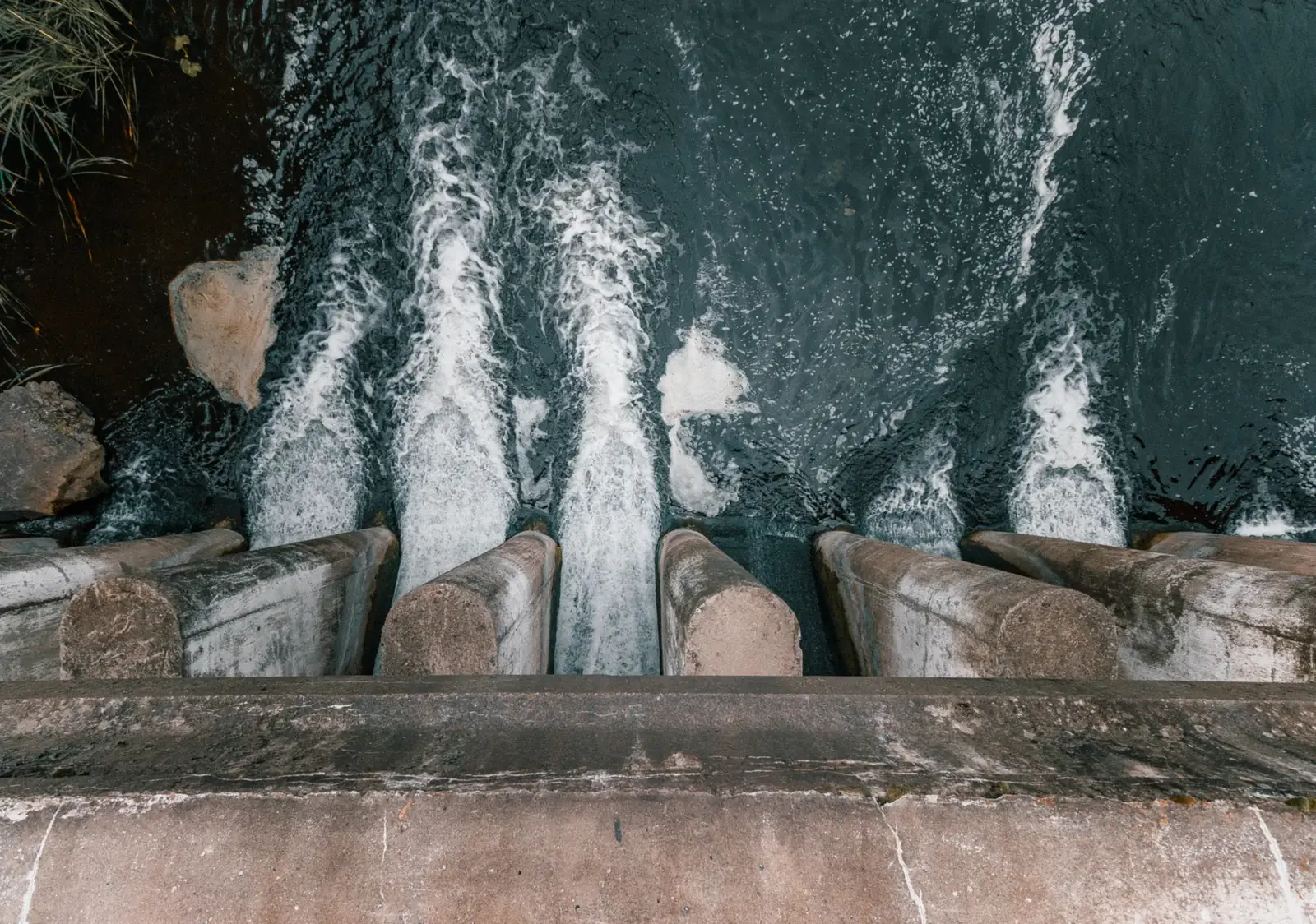
Explainers
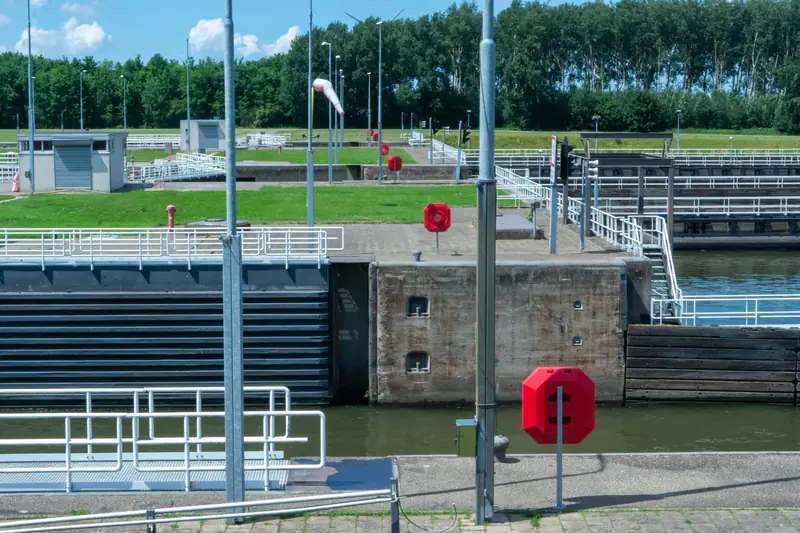
Canal-based hydropower systems
Canal hydropower covers three distinct ways of turning water movement into electricity: conventional low-head turbines at a drop or weir, hydrokinetic turbines…

Wave and tidal energy: how marine power works and where the UK stands
Ocean waves and tides are both renewable energy sources, but they work on different physical principles. Waves are created by wind blowing across open water, so…
Key terms
Glossary →- Run-of-river hydropower
- Hydroelectric generation that diverts part of a river's natural flow through a turbine and back into the river, with little or no water stored behind a dam.
- Tidal stream energy
- Electricity generated by underwater turbines that are turned by fast-flowing tidal currents, a predictable renewable source the UK has been testing for two decades.
- Wave energy
- Electricity generated from the up-and-down and back-and-forth motion of ocean waves, a technology the UK has tested for decades but not yet deployed at commercial scale.