
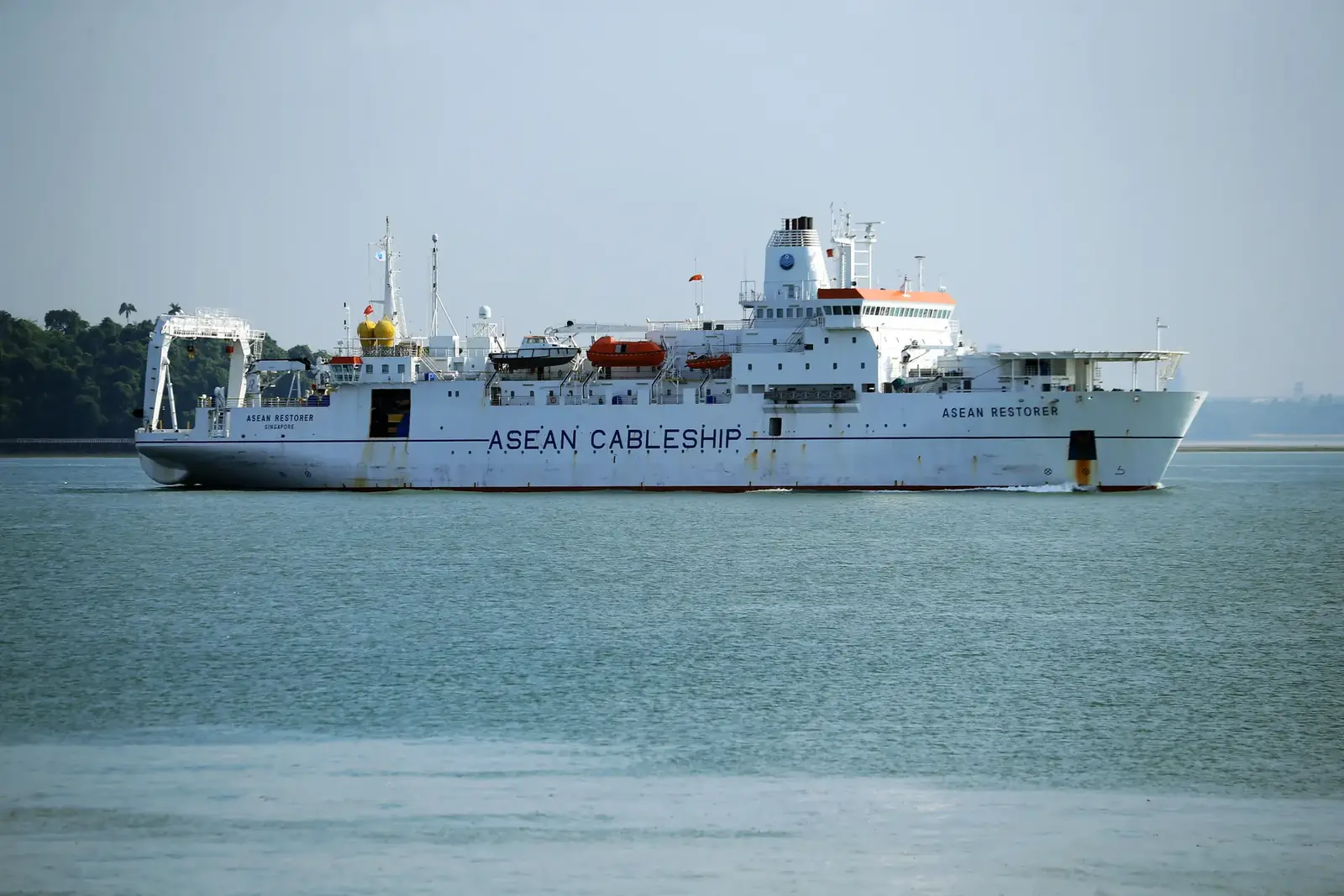
The government has published a White Paper proposing new criminal offences for damaging the cables and pipelines on the seabed that carry the UK’s electricity, gas and international data. Published on 22 October 2026, it opens a 12-week consultation that closes on 14 January 2027.
The main law protecting subsea cables today is the Submarine Telegraph Act 1885. The White Paper says it refers only to telegraph communications, does not cover pipelines at all, and has never been tested against power cables or electricity interconnectors. Its maximum prison sentence is three months.
What is proposed
A new offence would cover anyone who causes a “security compromise” to critical undersea infrastructure, a term that would cover subsea telecoms cables, electricity interconnectors, pipelines and the infrastructure they depend on. It would cover physical damage as well as remote electronic or cyber interference. The proposed maximum penalties are:
- up to 14 years in prison for intentional conduct;
- up to 10 years for reckless conduct;
- up to two years for grossly negligent conduct;
- unlimited fines in every category, including for companies.
The government is also considering whether life imprisonment should be available in the most serious cases. Separately, the National Security Act 2023 already allows life sentences for sabotage, but only where a link to a foreign power can be proved.
Other proposals include new security duties for subsea telecoms cable providers, a power for ministers to direct those providers on national security grounds, and screening of fibre-optic sensing technology installed on subsea cables, including cables built into energy infrastructure.
Why energy is part of this
According to the White Paper, undersea pipelines provide 74% of the UK’s gas supply, and 10.3 GW of electricity capacity comes through interconnectors with Europe. It says these links matter most at times of peak demand, or when both conventional and renewable output in the UK is low.
That dependence is growing. The White Paper points to the Clean Power 2030 target of 43–50 GW of offshore wind, up from 14.8 GW now, and more than 20 GW of extra interconnector capacity.
The government says most cable faults are still accidents, such as dragged anchors and trawler nets, or technical failures. But it says suspicious activity is increasing, including a covert Russian submarine operation around undersea infrastructure that the armed forces exposed in April.
What happens next
Infrastructure owners, maritime and fishing organisations and sensing-technology firms are among those invited to respond, along with anyone else with an interest. The government says the feedback will shape its final proposals and any future legislation; no bill has been introduced yet.
For households, the change is mostly out of sight. But as more of Britain’s power comes from offshore wind and imports over subsea links, the law protecting those cables becomes part of keeping supply secure.