
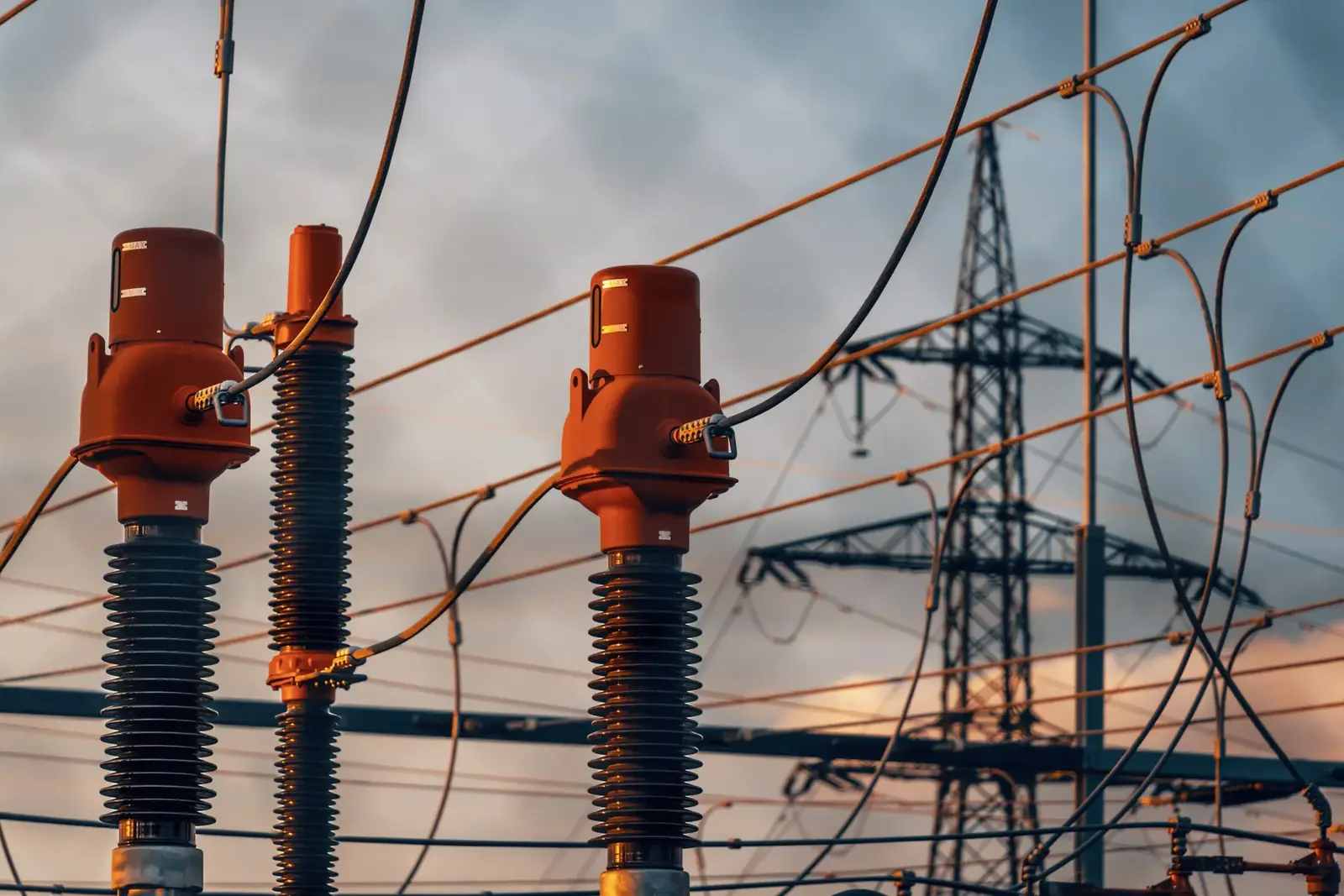
Ofgem has proposed that wind and solar farms, battery sites and large electricity users should be able to build their own connections to Great Britain’s high-voltage transmission network, then hand those assets over to the network owner. The regulator opened a consultation on the plan on 7 October 2026, and responses are due by 13 November.
At present this “self-build and transfer” route is only open in limited cases, mainly where a site is within 2km of the existing transmission system and the new assets could not be shared with anyone else. Ofgem says that rule has put the option out of reach for most projects. Under the proposal, a connecting customer could build everything from its own site to the existing grid, such as overhead lines and a project substation, provided the assets serve only that customer when the handover agreement is signed.
Why Ofgem wants the change
The proposal is part of a wider reform of the grid connection queue. Ofgem says developers want more control over delivery, and that industry has pointed to possible cost savings of around 20% and connections one to two years sooner where no wider reinforcement of the network is needed. It also links the plan to demand from data centres, which often want to connect at transmission level alongside generation and storage.
Ofgem’s own illustrative scenarios put the median cost of the assets at £255m when the network owner builds them and five years to connect from the offer. In its most optimistic scenario, self-build brings that down to £191m and three years. The regulator also estimates that the knock-on saving for other bill payers could range from £12.5m to £1.3bn a year, depending on how many projects take part. These are modelled ranges, not forecasts.
On the same day, Ofgem rejected an older pair of industry code changes, known as CMP330/374, which had aimed to let projects build connections longer than 2km. It said they no longer worked on their own after a linked proposal was withdrawn in June 2026.
Safeguards and risks
Network owners have warned about poorly designed or substandard assets and higher costs for everyone else. Ofgem’s draft rules would require self-built assets to meet the network owner’s technical standards, use pre-approved engineering designs unless Ofgem signs off an alternative, and carry a five-year defect period. Where assets worth £40m or more could later serve other users, Ofgem would set the price the network owner pays.
What happens next
Ofgem plans to publish responses in January 2027 and reach a decision in the first quarter of 2027. Because it is using powers in the Planning and Infrastructure Act 2025, changes would take effect as soon as a decision is made. It is also looking at whether projects already in the queue could opt in.
What it means for households
Nothing changes on bills directly. The aim is to speed up connections for new renewable and battery storage projects, which feeds into the push for Clean Power 2030. Whether the savings Ofgem models reach consumers will depend on how many developers take up the option and how well the safeguards work. For background on the separate connection offers process, see our report on NESO’s Gate 2 extension.