
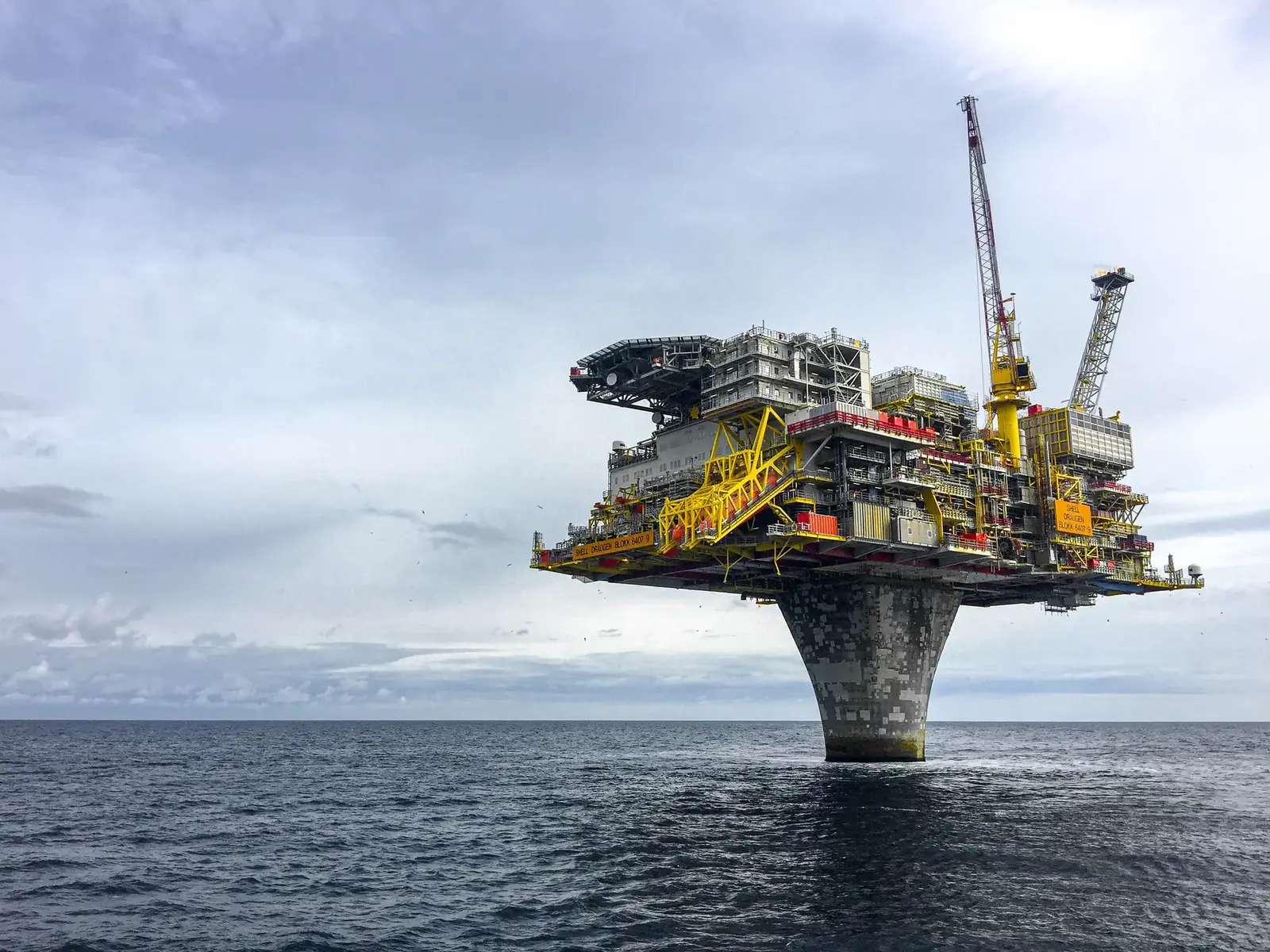
The Jackdaw gas field in the central North Sea can now go into production. The Energy Secretary agreed on 14 October 2026 that the regulator could grant consent, and the North Sea Transition Authority (NSTA) issued that consent on 21 October, according to the official decision notice. The government says gas could start flowing to British homes and businesses from as early as the end of October.
On the same day, the Chancellor announced a new Energy Wealth Fund, which will reinvest tax revenues from North Sea oil and gas in renewable and low-carbon energy. It starts with an initial £2 billion and sits within the National Wealth Fund.
What Jackdaw adds
The field is operated by Adura Operations Limited. The government says Jackdaw should raise domestic gas production by around 6% at its peak, over a lifespan of up to 11 years. Over its lifetime it is expected to produce gas equivalent in energy to roughly 40 million barrels of oil.
The developer’s own estimates, quoted by the government, are 27 new direct jobs, 273 existing jobs safeguarded and about £2.9 billion added to the UK economy.
For context, the government’s figures show that over 2021–2025, 42% of UK gas came from the UK continental shelf, 37% from Norway, 20% as liquefied natural gas and 1% through interconnectors.
Why the decision took so long
Jackdaw already had a licence, but a licence alone does not allow production. After the Supreme Court’s 2024 Finch ruling, environmental assessments for oil and gas projects must also consider the emissions from burning the fuel produced. New guidance followed, Adura submitted further information, and that information went through public notice periods before this decision.
The Energy Secretary concluded that Jackdaw would not stop the UK meeting its legally binding carbon limits or reaching net zero by 2050. The government says the decision fits its manifesto pledge: no licences to explore new fields, while existing licensed fields are managed for their full lifespan.
The Energy Wealth Fund
Ministers say the fund will invest in renewable and low-carbon infrastructure across the UK. They also say building more clean power should mean gas sets the electricity price less often, reducing exposure to volatile international gas markets. No further detail on how the fund will choose projects was published with the announcement.
The government also said it will ask the regulator to consider urgent cases for tie-backs from nearby areas, before legislation on Transitional Energy Certificates is in place, and has begun talks on refreshing the North Sea Transition Deal.
What it means
For households, Jackdaw adds homegrown supply, but the government’s own announcement still links bills to volatile international gas markets, so the field is not presented as a direct bill cut. The more lasting change for the energy system may be the Energy Wealth Fund, if North Sea revenues do flow into it over time as planned. The announcement came ahead of the Budget. For background on how supply sources affect the UK, see our energy security explainer.