
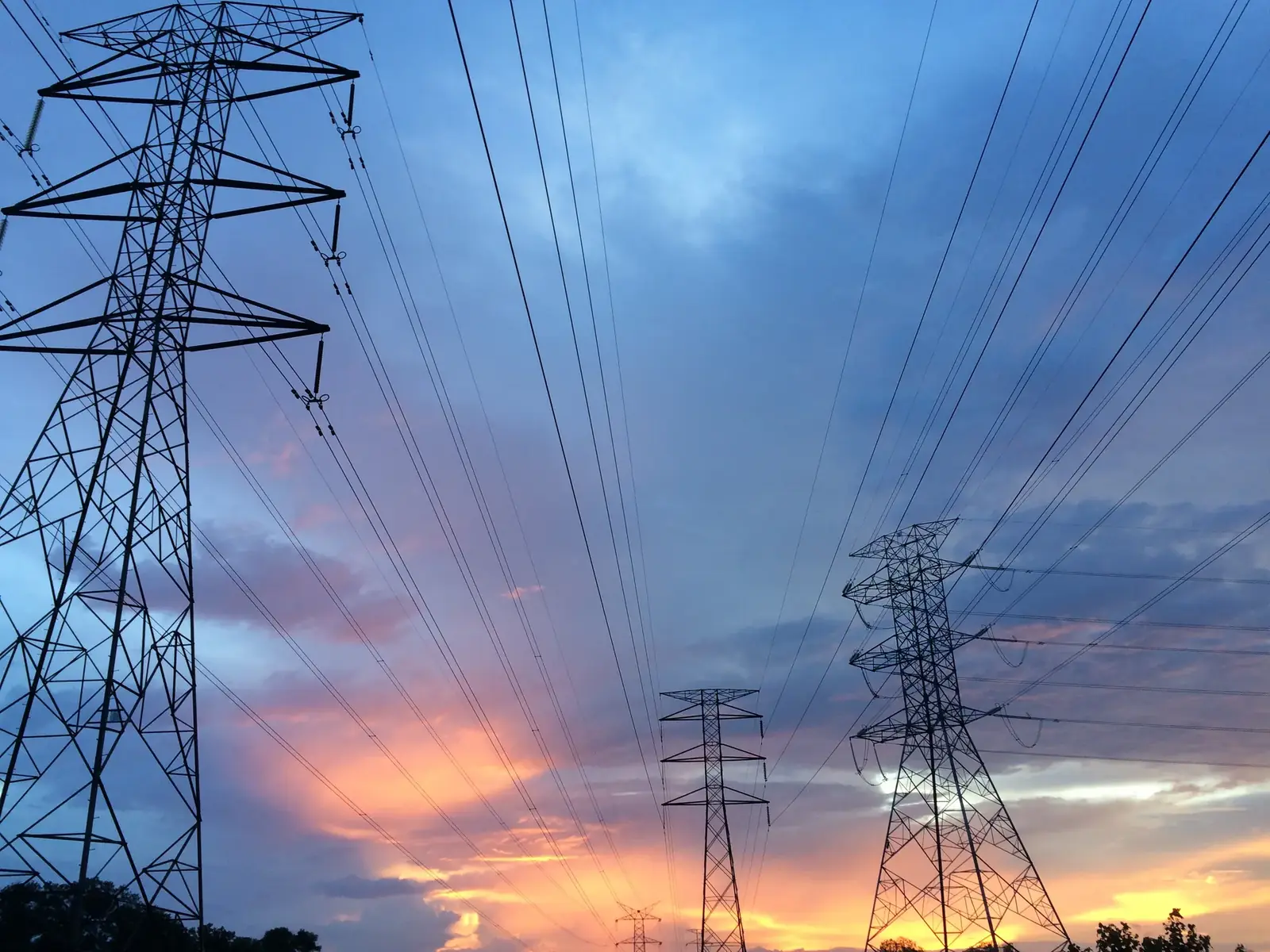
The UK government published a clean electrification roadmap on 12 November 2026, the same day it endorsed a COP31 pledge to raise electricity’s share of the world’s final energy use to 35% by 2035. The pledge, promoted by the summit’s host Türkiye, is known as “35 by 35”. According to the Department for Energy Security and Net Zero (DESNZ), electricity currently supplies less than a quarter of global energy.
What the roadmap contains
The document does not set new national targets. It describes UK measures that are already legislated for, funded or being delivered, grouped into three areas: the electricity system itself, helping households and businesses switch to electricity, and the skills and supply chains needed.
On the supply side, it notes that renewables produced a record 52.1% of UK electricity in 2025 and that the latest Contracts for Difference auction secured 201 projects totalling 14.7 GW. Onshore wind cleared at £72.24 per MWh and solar at £65.23 per MWh, which the department compares with £147 per MWh for building and running new gas plants. Electricity demand is expected to more than double by 2050, and the government lists 80 critical transmission projects needed for clean power.
The roadmap also restates the ambition to grow clean flexibility, such as batteries, smart charging and interconnectors, to between 51 and 66 GW by 2030.
What it says about homes and bills
For households, the roadmap pulls together several existing measures:
- an average of £150 taken off household energy bills from April 2026, mostly from electricity bills, and the removal of VAT from electricity bills from October 2026
- the Warm Homes Plan ambition of 450,000 heat pump installations a year by 2030, plus solar panels on up to 3 million more homes
- plug-in solar panels, on sale in Great Britain since August 2026, which the department says can provide up to 20% of an average home’s electricity and save up to £110 a year
- the Electric Car Grant of up to £3,750 on eligible new electric cars priced at £37,000 or less
For industry, the British Industrial Competitiveness Scheme will cut electricity costs for eligible manufacturers by up to £40/MWh, or up to 25%, from April 2027.
What happens next
The pledge is international and voluntary, so it does not change UK law or bills on its own. The roadmap is mainly a summary for other countries of the route the UK is taking, and it points to international programmes such as the Global Clean Power Alliance.
For households, the practical picture is unchanged: support for heat pumps, rooftop and plug-in solar and electric cars continues under existing schemes, while the cost of electricity compared with gas remains the main factor in whether switching saves money. Our guide to this winter’s energy bills covers the current price cap and the VAT change.