
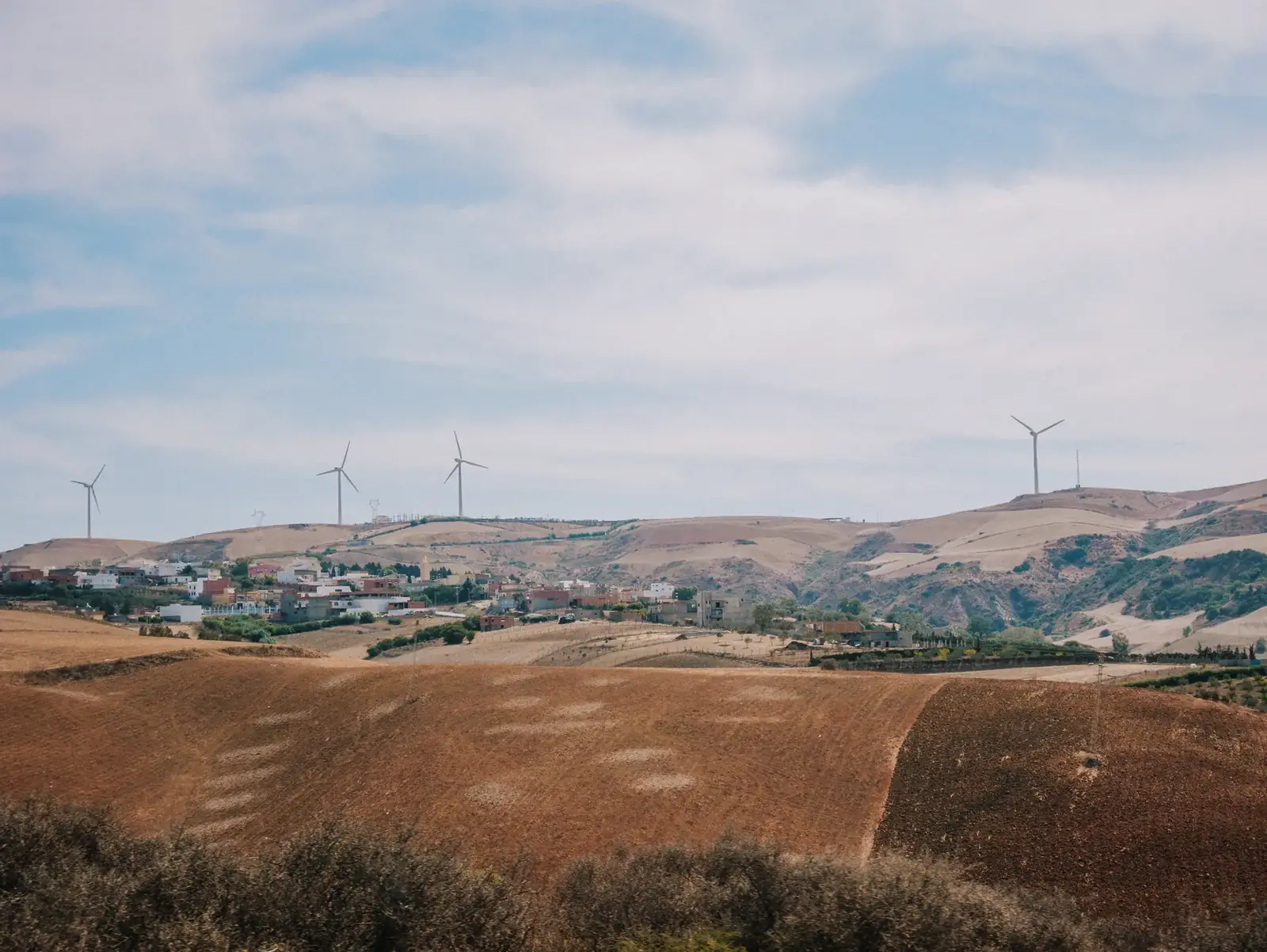
Developers of new onshore wind and ground-mounted solar projects over 5MW would have to pay into community benefit funds, or provide benefits in kind, under the Energy Independence Bill introduced on 4 November 2026. At the moment these payments are voluntary and vary from project to project.
What the Bill would require
Operators of qualifying projects would have to sign a legally binding community benefit agreement with the host community. The minimum level would be set in later regulations, not in the Bill. The government’s current “minded to” positions are at least £5,000 per MW per year for onshore wind and £700 per MW per year for ground-mounted solar. On those figures, and as our own calculation, a 10MW wind farm would pay at least £50,000 a year and a 10MW solar farm at least £7,000 a year.
A Great Britain-wide register would show how benefits are delivered. Communities would decide how the money is spent, and the factsheet cites existing funds that have paid for school projects, community buildings and a play park. The measure does not change planning or consenting decisions.
Offers of ownership
Separately, the Bill would amend the Infrastructure Act 2015 so that ministers can, through later regulations, require promoters of renewable electricity projects of 1MW or more to offer up to 20% ownership to local individuals and communities. The government says this builds on its Local Power Plan.
Why the government is doing this
The factsheet says voluntary benefits are not delivered consistently. It cites survey evidence that 58% of people would be more supportive of renewable projects if their area received local funding, and says comparable schemes suggest up to £2 of wider local value for every £1 invested.
What happens next
The Bill still has to pass Parliament, and the benefit levels, the ownership requirement and the start dates all depend on secondary legislation. The official material does not say when payments would begin. For the wider picture, see our UK energy overview and our report on the Energy Independence Bill.