
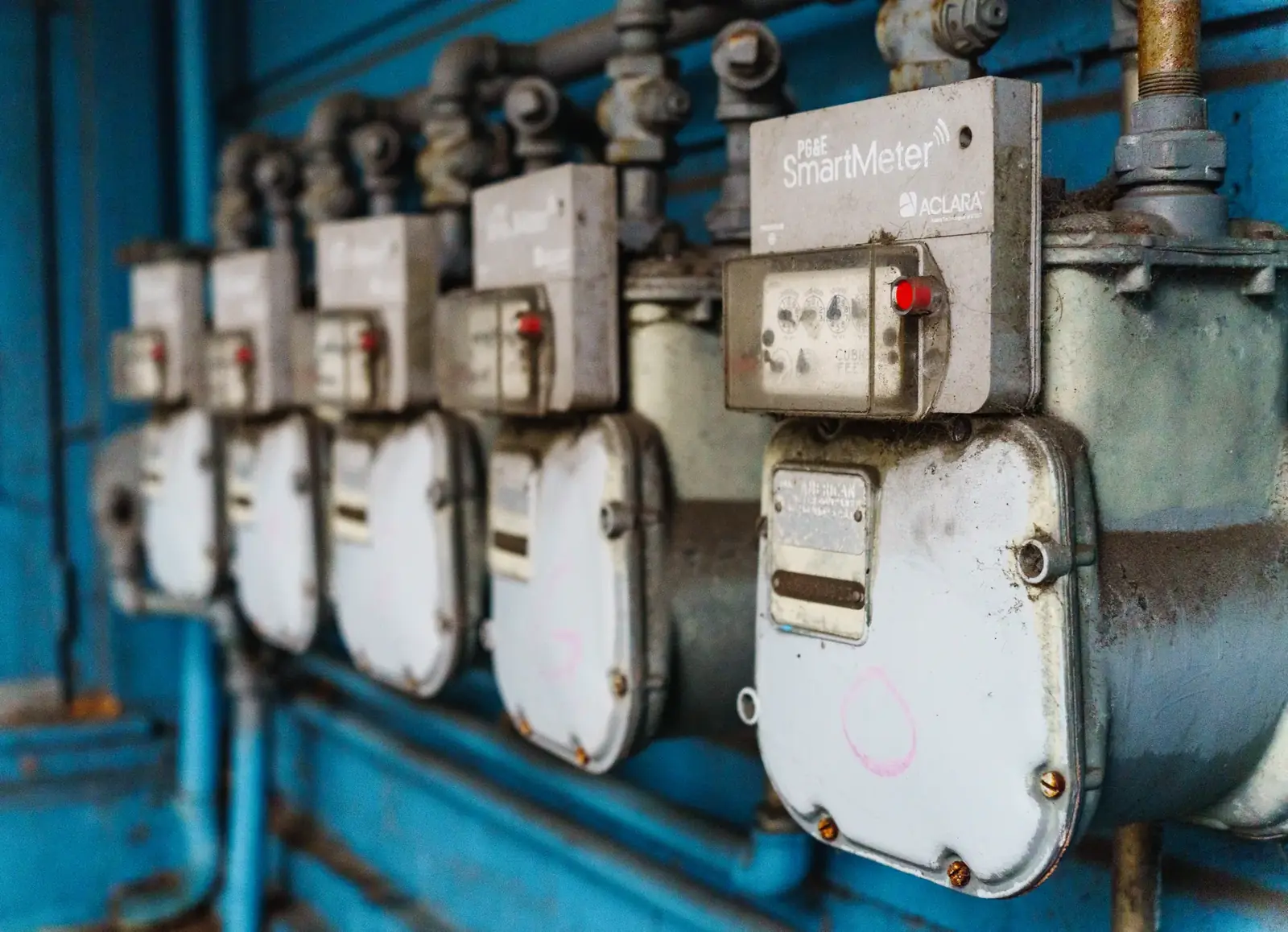
The Department for Energy Security and Net Zero (DESNZ) has opened a call for evidence on a question that will matter more each year: as homes and businesses leave the gas grid, who pays to keep it running, and who pays to disconnect it? The call for evidence was published on 22 October 2026 and closes at 11.59pm on 23 December 2026. It covers Great Britain.
The department stresses that it is not proposing solutions or signalling a preferred option at this stage. It wants evidence to shape future policy.
The problem
Gas network costs are largely fixed. Today they are recovered from gas customers through charges regulated by Ofgem. As demand falls, the same costs would be spread across fewer customers, which could push up charges for those who remain.
The document warns of a possible self-reinforcing cycle, in which higher charges lead more people to disconnect, raising costs again for everyone left. It says protecting affordability matters most for vulnerable and fuel-poor households, and for others who face barriers to switching to cleaner heating.
Two kinds of cost
The call for evidence is split into two parts:
- Network investment. The networks still need money for maintenance, replacing ageing assets and safety work for as long as people rely on them. Ofgem has already brought forward depreciation on new gas distribution investment from April 2026, but the department notes that this does not settle how historic investment is recovered.
- Disconnections. A property can be disconnected voluntarily, with the customer paying the network operator, or for safety reasons after a meter has been removed and gas has gone unused for 12 months. Most disconnections currently follow the safety route, and those costs are passed on to all gas customers. Volumes have been small, but wider take-up of low-carbon heating, such as heat pumps, could change that.
The department asks where these costs should ultimately fall: on current or future gas customers, on energy customers more widely, or on taxpayers. It also asks how any of these approaches would affect investor confidence, since higher financing costs for network companies can also end up on bills.
What is out of scope
The exercise does not cover the cost of decommissioning the gas networks, wholesale gas prices, wider affordability support, or detailed decisions on hydrogen and carbon capture. The government says it is working with Ofgem so that this work fits with Ofgem’s Cost Allocation and Recovery Review, whose next phase will look at gas costs.
What happens next
Responses can come from anyone, including households and consumer groups as well as network operators, suppliers and investors. The government will publish a summary of responses, and says the evidence will inform any future policy development.
For households, nothing changes yet. But the outcome is likely to shape how network costs appear on gas bills and what disconnecting costs for years to come, especially for people who cannot easily move off gas. Related: the government’s recent proposals for rising heat pump targets.