
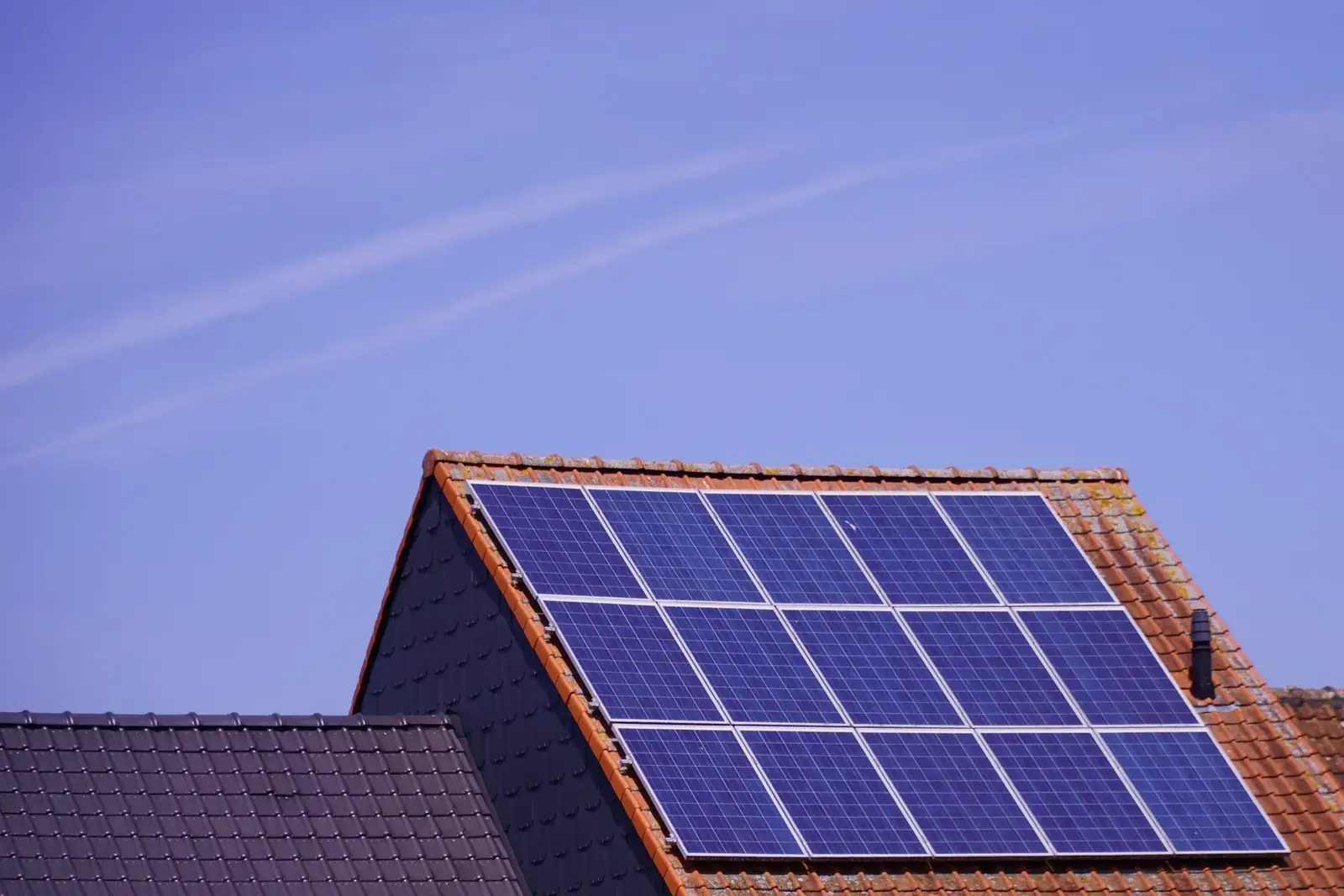
More than 270,000 certified rooftop solar systems have been installed across the UK so far in 2026, the Department for Energy Security and Net Zero said on 20 November. That is already more than in any previous full year, with over a month still to go.
The figure comes from MCS, the certification body for small-scale renewable installations. Its data covers certified systems of up to 50kW, which means homes, shops, schools and small businesses rather than solar farms.
What the numbers cover
The government did not publish the previous record in its announcement, so we cannot say how large the margin is. Two more points are worth noting:
- MCS says this is the sixth year in a row that the annual record for all its certified installations has been broken. That total covers its other certified technologies as well, with solar and batteries leading the growth.
- The trade body Solar Energy UK expects the number of certified solar installations to pass 300,000 by the end of the year.
MCS data is updated daily. The department’s own official statistics confirming the record are due in December.
Beyond homes
The announcement lists several larger rooftop projects completed or under way this year:
- Cardiff’s Principality Stadium switched on more than 3,250 panels.
- New Spitalfields Market in London has fitted 2,730 panels, which the City of London Corporation describes as the capital’s largest rooftop installation.
- Aldi has put 19,000 panels on its new distribution centre in Leicestershire.
- Redbourn Leisure Centre in Hertfordshire expects solar and battery storage to cut its electricity costs by 61%, a saving of more than £19,000 a year.
These larger systems are examples from the announcement. The MCS data only covers systems of up to 50kW, so projects of this size are not necessarily part of the 270,000 figure.
What happens next
The government points to its Warm Homes Plan and to plug-in solar panels, which went on sale in shops for the first time this year, as ways for more households to take part. Solar Energy UK also expects rules that effectively require solar on new homes to push numbers higher next year.
What it means for households
A solar system lowers bills because the home buys less electricity from its supplier. How much it saves depends on the size of the system, the direction of the roof and how much power is used during the day. Electricity that is not used can be sold to a supplier under the Smart Export Guarantee, and a home battery lets a household keep more of its own power for the evening.
MCS certification matters in practice. Suppliers usually ask for it before they will pay for exported electricity. For the basics, see our guide to residential solar energy.