
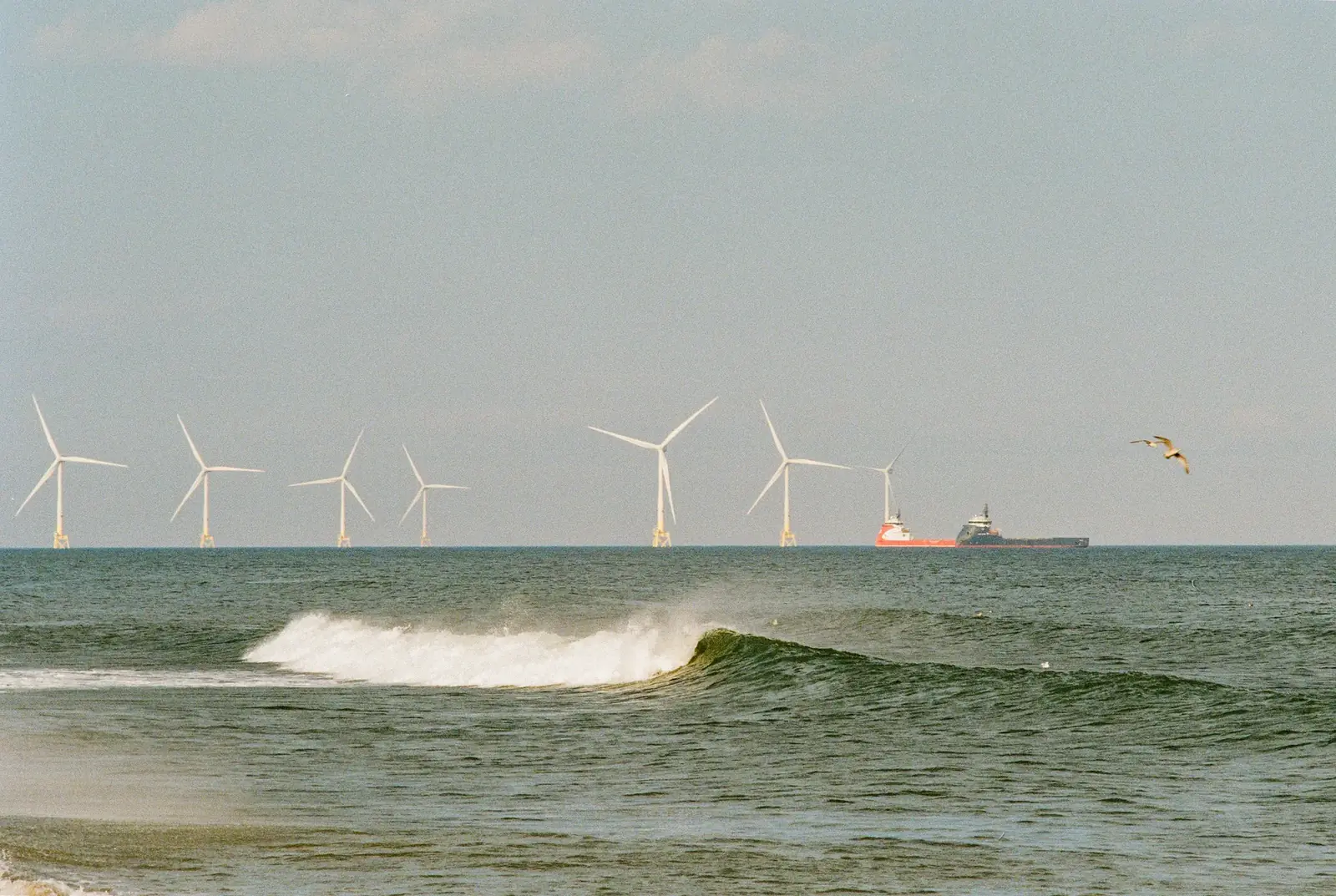
The Scottish Government granted consent on 19 November 2026 for Muir Mhòr, a floating offshore wind farm about 63km off the coast of Aberdeenshire. The project can have up to 67 turbines and a generating capacity of up to 1GW. Ministers say it could produce enough electricity each year for more than a million homes.
The developer is Fred. Olsen Seawind. The consent covers the wind farm itself and the offshore transmission equipment that will carry its power to the Aberdeenshire coast.
Conditions attached
The approval comes with conditions that the developer must meet as the project moves forward. The Scottish Government highlights two:
- measures to reduce the effect on commercial fishing
- environmental compensation for the possible effect on seabirds
The government says the decision followed a thorough assessment and that the conditions are intended as environmental safeguards.
Where it fits in Scotland’s pipeline
Scotland has 11 operating offshore wind farms with a combined capacity of 4.3GW, according to the announcement. With Muir Mhòr, more than 11GW of further offshore wind capacity now has consent. Our own calculation from those two figures: the consented projects, if all were built, would add more than two and a half times what is running today.
Most of today’s offshore turbines stand on foundations fixed to the seabed. Floating offshore wind puts turbines on anchored platforms instead, so they can be placed in deeper water further from shore, where winds are often stronger. The technology is newer and costs more.
What happens next
Consent is permission to build, not a decision to build. A project of this size still has to satisfy its consent conditions and arrange its finance before construction can start. The announcement gives no construction or start date.
Many offshore wind farms rely on a government-backed price contract. On the same day as the Muir Mhòr decision, the UK government published the budget notice for its next renewables auction, Allocation Round 8. Floating offshore wind has its own pot in that round, with a maximum bid price of £271/MWh in 2024 prices, compared with £113/MWh for conventional offshore wind. We do not know whether Muir Mhòr will take part.
What it means for the UK energy system
More offshore wind means more electricity generated at home rather than from imported gas. For households the effect on bills is indirect and depends on the price at which projects like this one are eventually contracted, and on the grid being able to move the power south. Fishing groups have raised concerns about access to fishing grounds near floating wind farms, a subject we covered in an earlier report.
For how offshore sites are chosen, see our guide to harnessing the power of the wind.