
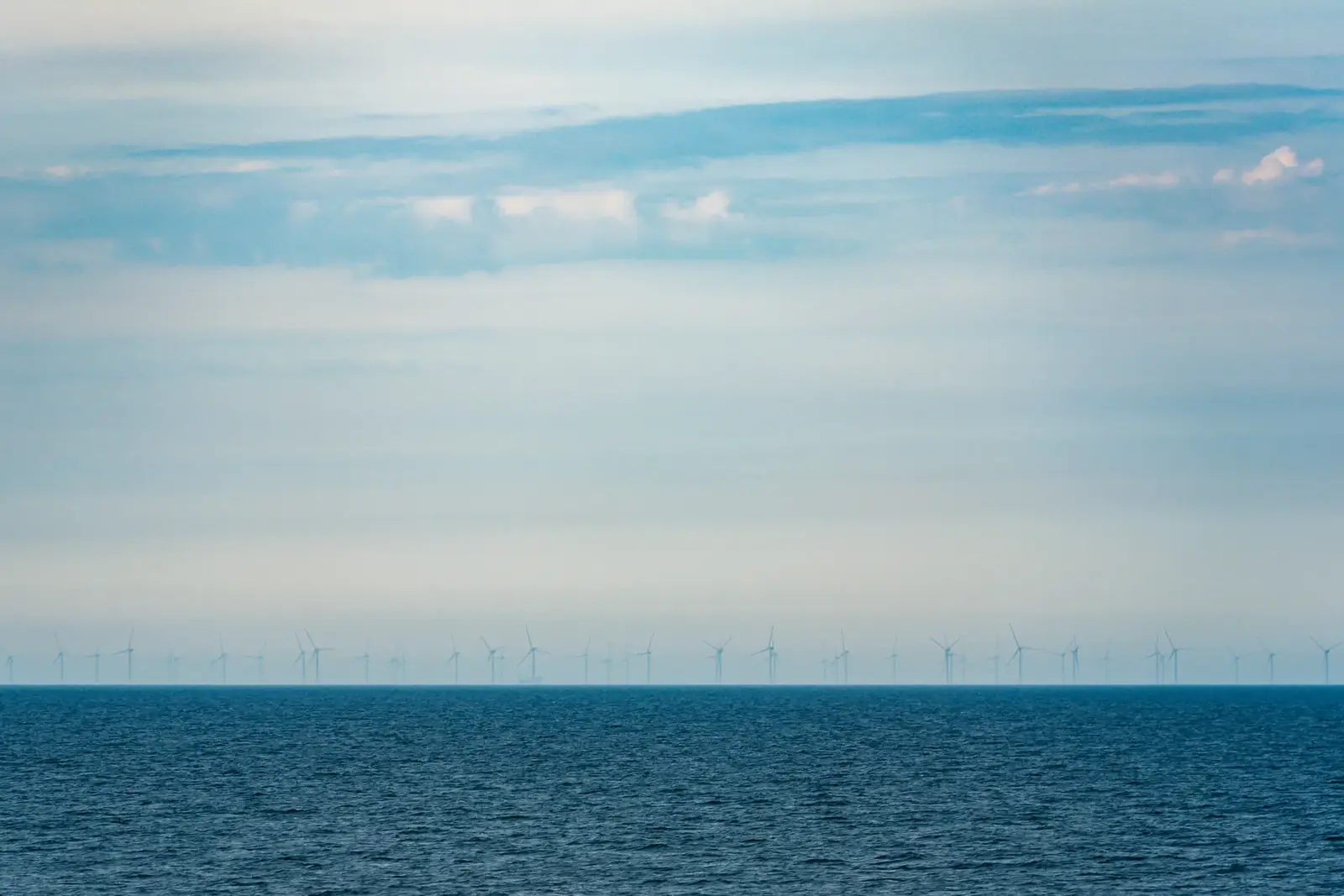
Two large offshore wind farms off the Norfolk coast are going ahead after their owners reached financial close on 11 November 2026. RWE and the investment firm KKR say Vanguard West and Vanguard East have a combined capacity of around 2.8 gigawatts. The total investment is about £12 billion, including the wind farms and their transmission links.
The government says this is believed to be the largest investment of its kind in UK history. Once running, the two projects could supply the equivalent of around three million homes.
Who is paying
KKR has bought a 50% stake in each project, creating a 50:50 joint venture with RWE, which will lead construction. The rest of the money comes from loans that RWE describes as the largest project financing yet for UK offshore wind.
The publicly owned National Wealth Fund is putting in £1 billion, its largest offshore wind investment so far.
Timeline
The wind farms sit 50 to 80 kilometres off Norfolk. Onshore works are already well under way, offshore construction is due to start in early 2027, and both projects are expected to be fully running in 2030. The government says more than 2,400 jobs will be supported during construction and operation.
Both projects won Contracts for Difference in the Allocation Round 7 auction in January 2026. These are 20-year contracts at a strike price of £91.20 per megawatt hour in 2024 prices, rising with inflation.
Berwick Bank moves forward too
On the same day, SSE said the next phase of its Berwick Bank offshore wind farm off the east coast of Scotland, Berwick Bank B, will support 2,677 jobs in the north of England and Scotland. That figure includes 130 new project delivery roles in Glasgow and Montrose. Siemens Energy will make the turbines and substation platforms. At full size, the government says Berwick Bank could meet more than 6% of current UK electricity demand.
What it means
The Vanguard sites were first developed alongside Norfolk Boreas, which Vattenfall paused in 2023 because costs had risen. Reaching financial close means the money is committed and construction can go ahead. Under a Contract for Difference, households pay through their bills when wholesale prices are below the strike price and get money back when prices are above it. The real effect on bills therefore depends on future gas and power prices.