
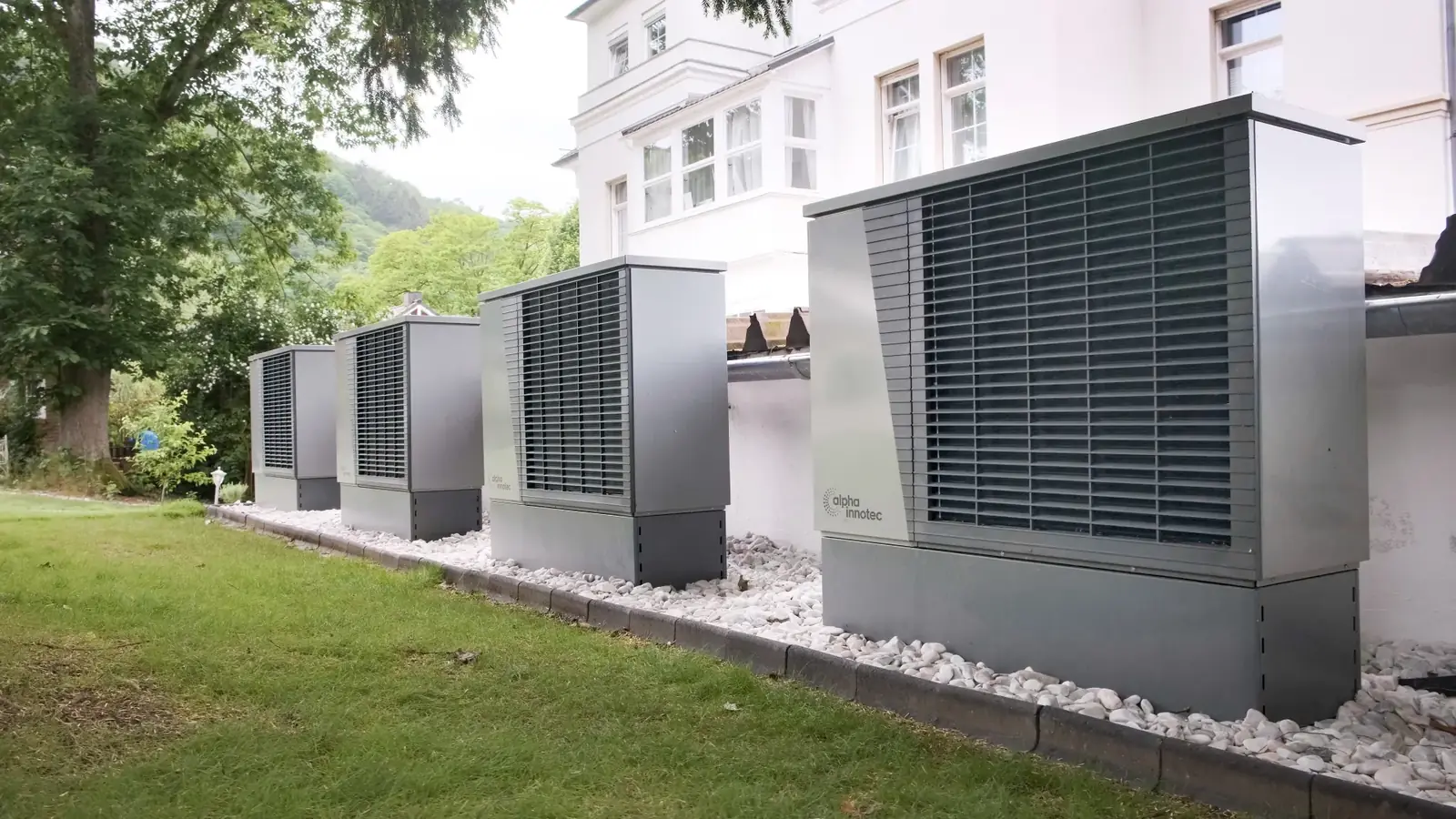
The Boiler Upgrade Scheme (BUS) is a government grant towards the cost of replacing fossil-fuel or electric heating with a heat pump or, in limited rural cases, a biomass boiler. It does not pay for a new gas, oil or LPG boiler. The standard grant for an air source or ground source heat pump is £7,500. Until 31 March 2027, homes off the gas grid that are replacing oil or LPG heating can get £9,000. The scheme covers homes and business buildings in England and Wales only, and it has been extended to 2030.
This guide reflects GOV.UK and Ofgem rules as of October 2026. It is general information, not advice, and nobody can promise a particular home will qualify: check GOV.UK, Ofgem’s guidance and your installer for your own property.
How much you can get
The grant is taken off your installer’s quote. It is not paid to you. These are the grant values that apply from 21 July 2026, according to GOV.UK’s notice of approved grant categories (last updated 20 October 2026):
| Technology | Standard grant | Off-gas-grid home replacing oil or LPG |
|---|---|---|
| Air source (air-to-water) heat pump | £7,500 | £9,000 |
| Ground source heat pump (including water source and shared ground loops) | £7,500 | £9,000 |
| Air-to-air heat pump (homes only, not business premises) | £2,500 | £2,500 (no uplift) |
| Biomass boiler (rural, off the gas grid only) | £5,000 | £5,000 (no uplift) |
The £9,000 off-gas uplift
The government announced the extra £1,500 in June 2026. It applies to applications properly made from 21 July 2026 until 31 March 2027. Whether it continues after that has not been announced. To get it:
- the property must not be connected to the gas grid, and
- you must be replacing oil or LPG heating.
Off-gas homes replacing coal, electric heating or other fossil-fuel heating get the standard £7,500. “Off the gas grid” means no mains gas, no record of a gas meter point, not on a heat network and not a new build; a capped or clamped gas meter still counts as on-gas. Self-builds cannot get the uplift but can still get £7,500.
Other limits
- Air-to-air heat pumps were added from 28 April 2026, but no vouchers had been issued by the end of August 2026 while industry readiness rolls out. Ask your installer whether they can offer one yet.
- One grant per property. You cannot get a grant if the property has already had government funding for a heat pump or biomass boiler.
- The grant cannot be used to replace an existing low-carbon system, such as an old heat pump.
Who is eligible
You must own the property
Second homes, homes rented to tenants and business premises can all qualify. You must also become the legal owner of the new system: hire purchase, conditional sale and consumer hire are not eligible, but payment plans and personal loans can be.
Your old heating must be fully replaced
Your existing heating must be fossil fuel or electric, such as gas, oil, LPG, coal or direct electric, and it must be fully replaced. You cannot keep a gas or oil boiler alongside a BUS-funded heat pump, and hybrid systems (a heat pump plus a gas boiler) are not eligible.
Since 28 April 2026, non-fossil extra heaters are allowed, such as direct electric heaters, storage heaters, immersion heaters or a second heat pump. The BUS heat pump must still be sized to meet all of the home’s space heating demand.
Properties that are not eligible
- social housing, including shared ownership
- most new builds, and new builds still being built by a developer.
Some self-builds can qualify, and buyers of a finished new build that came with a fossil-fuel boiler may be able to claim. Biomass is only for rural homes off the gas grid, and not for self-builds.
EPC and insulation rules after April 2026
- An EPC is no longer required from 28 April 2026. If your home has a valid Energy Performance Certificate, its reference number must be included. If not, your installer provides other evidence, such as a utility bill from the last three months or your latest fuel receipt, and photos of the existing heating.
- There is no insulation requirement. The old rule about outstanding loft or cavity insulation recommendations was dropped in May 2024. Ofgem’s guidance still recommends insulation, because heat pumps work best in a well-insulated home.
- Having had government funding for insulation before does not affect your eligibility.
Efficiency and installer standards
Air-to-water and ground source heat pumps must reach a seasonal efficiency (SCOP) of at least 2.8. Your installer must be MCS certified for that technology and a member of an approved consumer code (currently RECC or HIES).
How to apply
You cannot apply yourself. The scheme is installer-led, and Ofgem runs it for the government.
- Find an MCS-certified installer. MCS has an online “Find an installer” search. Getting more than one quote is advised.
- Survey and quote. The installer should visit, carry out a heat-loss assessment and give you an itemised quote. The quote must show the total before the grant, the grant value and what you pay. Taking the grant off upfront is a legal requirement, and the installer must not ask you to pay the grant amount.
- The installer applies to Ofgem for a voucher.
- You confirm within 14 days. Ofgem emails you to confirm you agree to the application. If you use the phone or post route instead, you have 28 days. You may be asked for ID, such as a passport, driving licence or recent bill.
- The work is done within the voucher’s validity. This is 3 months for air-to-water, air-to-air and biomass, and 6 months for ground source. If the work overruns, the installer must withdraw and reapply, and you confirm again.
- You get the paperwork. This includes an MCS certificate, plus an emissions certificate for biomass.
- The installer redeems the voucher. Ofgem pays the grant to the installer, not to you.
- Your installer can apply after the work is done, within 120 days of the system being commissioned, but this is at your and the installer’s risk.
- If you disagree with a decision, your installer must ask for a review on your behalf within 28 days.
- Ofgem’s BUS enquiry line is 0330 053 2006 (email [email protected]).
What a heat pump costs with the grant
Government statistics (September 2026) give installers’ reported costs, including the grant, labour and VAT.
- Median cost in April to June 2026: £12,908 for an air source heat pump and £27,232 for a ground source heat pump.
- Median air source cost in 2025/26 by size: from £11,494 for 4–6 kW to £24,080 for over 20 kW.
By our calculation, a heat pump at the April to June 2026 median of £12,908 would leave about £5,400 to pay after the £7,500 grant, or about £3,900 with the £9,000 off-gas grant. These are rough estimates based on a median, not official figures, and real quotes vary widely. Compare quotes from two or three installers.
The grant comes off the whole quoted installation; there is no official itemised list of what it covers, and your installer should explain any extra work, such as radiator upgrades. VAT on installing a heat pump is 0% in Great Britain until 31 March 2027, after which it is due to go back to 5% unless extended.
Running costs
Running costs depend on electricity and gas prices, the heat pump’s efficiency, your tariff and your insulation, so we do not publish savings estimates. Ofgem expects your installer to give you a bill impact assessment with the quote. You can compare current unit rates in our energy price cap tracker.
Looking for a free gas boiler?
The Boiler Upgrade Scheme will not pay for a gas, oil or LPG boiler. Other help is limited:
- ECO4: the Energy Company Obligation is funded by energy suppliers for low-income and benefits households, and could repair or replace boilers. Ofgem says it will run until 31 December 2026, and no supplier-funded successor is planned. Ask your council whether any funding is still available.
- Great British Insulation Scheme: this ended on 31 March 2026.
- Warm Homes: Local Grant (England): this is for low-income households (typically household income of £36,000 or less, a means-tested benefit or a qualifying postcode) in homes rated EPC D to G. It is aimed at insulation, heat pumps, solar panels, storage heaters and similar measures. Contact your council to check what it offers.
- Wales: the Welsh Government’s Warm Homes Nest scheme offers free home upgrades for low-income households. Check its current rules directly.
Scotland and Northern Ireland
BUS does not cover Scotland or Northern Ireland.
Scotland
Home Energy Scotland runs its own grant and loan scheme:
- up to £7,500 grant for an air, ground or water source heat pump, plus an optional interest-free loan of up to £7,500
- an extra £1,500 for remote rural, island and off-gas accessible rural areas, added to both the heating grant and the energy efficiency grants, so total grants can reach £18,000
Hybrid, air-to-air and exhaust air heat pumps are not eligible, and the home must be your only or main residence. Funding is first come, first served, until the end of the financial year or until it runs out.
Northern Ireland
There is no BUS-style heat pump grant in Northern Ireland. The old Boiler Replacement Scheme closed on 21 September 2023. For help with heating and insulation, contact NI Energy Advice on 0800 111 4455 about the Affordable Warmth Scheme and current terms.
Uptake and budget
How many people have used it
Ofgem’s monthly figures cover 23 May 2022 to 30 September 2026:
- 160,874 voucher applications
- 106,185 vouchers issued (not counting expired or revoked vouchers), worth £763.2m
- 96,611 vouchers redeemed
- £687,450,500 in grants paid.
The government’s own statistics, to 31 August 2026, add more detail:
- 98% of voucher applications were for air-to-water heat pumps.
- July 2026 had the most voucher applications of any month so far (8,150).
- Of installs paid for, 55% replaced gas heating and 17% replaced oil; 5% (4,938) were in Wales.
The budget
The government’s 2026 business case gives a capital budget of £2,392m for 2026/27 to 2029/30, allocated year by year. According to Ofgem, £143,585,000 of the 2026/27 budget (1 April 2026 to 31 March 2027) was left at 30 September 2026, including applications still being decided. With record demand in summer 2026, there is no official word on whether this year’s budget will last.
Common problems and scams
Why applications fail
Ofgem’s guidance points to these common problems:
- you do not confirm the application within 14 days (28 days on the phone or post route)
- the quote does not show the grant taken off upfront
- the installer is not MCS certified or not in an approved consumer code
- the property is not eligible, or a fossil-fuel boiler is kept or a hybrid installed
- the heat pump is too small or its SCOP is below 2.8
- the work misses the voucher’s validity or the 120-day retrospective window
- the system is on hire purchase or similar finance, or the off-gas uplift is claimed wrongly (for example with a capped gas meter).
In Ofgem’s 2024/25 annual report, 2,295 of 38,412 applications were rejected after eligibility checks and 2,943 were withdrawn.
Avoiding scams
- Ofgem does not cold-call to sell boilers or grants, and you never apply to Ofgem yourself.
- The genuine confirmation email comes from [email protected], and only after your chosen installer has applied.
- The grant is paid to the installer and taken off your quote. Nobody should ask you for a fee to “unlock” a grant, or for bank details to receive one.
- Be wary of doorstep callers offering to replace boilers on a government scheme, callers claiming to be from Ofgem, and pressure to decide on the spot.
Check installers on the MCS register. If an application has been made without your knowledge, email [email protected]. Forward scam texts to 7726, report scam websites to the National Cyber Security Centre, and report fraud to Action Fraud.
Frequently asked questions
Does the Boiler Upgrade Scheme pay for a new gas boiler?
No. It pays towards heat pumps and, in rural homes off the gas grid, biomass boilers. It does not pay for gas, oil or LPG boilers, and your old fossil-fuel boiler must be removed.
How much is the boiler upgrade grant in 2026?
£7,500 for an air source or ground source heat pump, £2,500 for an air-to-air heat pump and £5,000 for a biomass boiler. Off-gas homes replacing oil or LPG can get £9,000 for an air source or ground source heat pump on applications made until 31 March 2027.
Can I apply for the grant myself?
No. Your MCS-certified installer applies to Ofgem for a voucher, and you confirm the application by email within 14 days.
How long do I have to get the work done?
The voucher lasts 3 months for air-to-water, air-to-air and biomass systems, and 6 months for ground source. If the work overruns, the installer must withdraw and reapply.
How long will the scheme run?
The scheme has been extended to 2030. Its budget is set each year, and the £9,000 off-gas rate currently applies to applications until 31 March 2027.